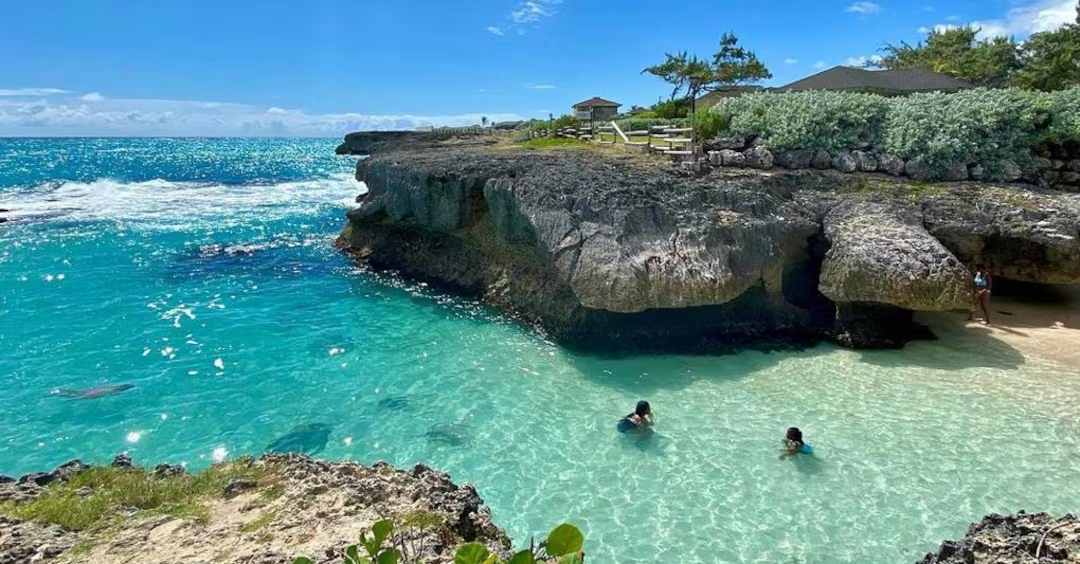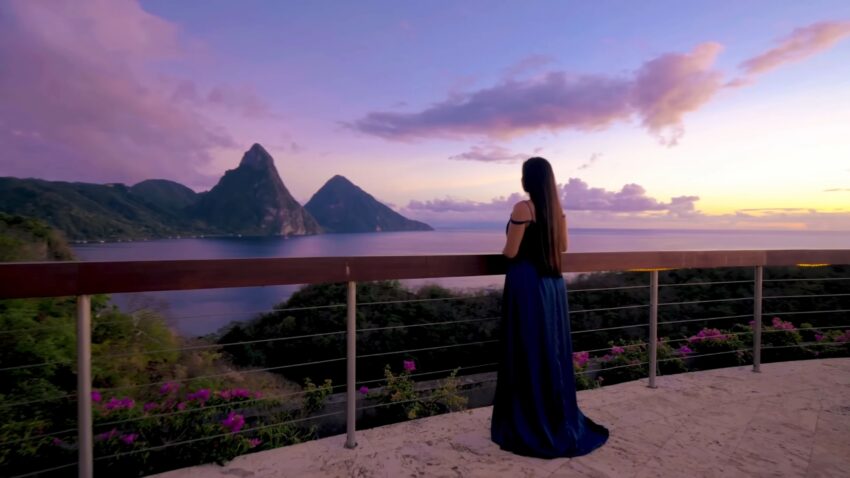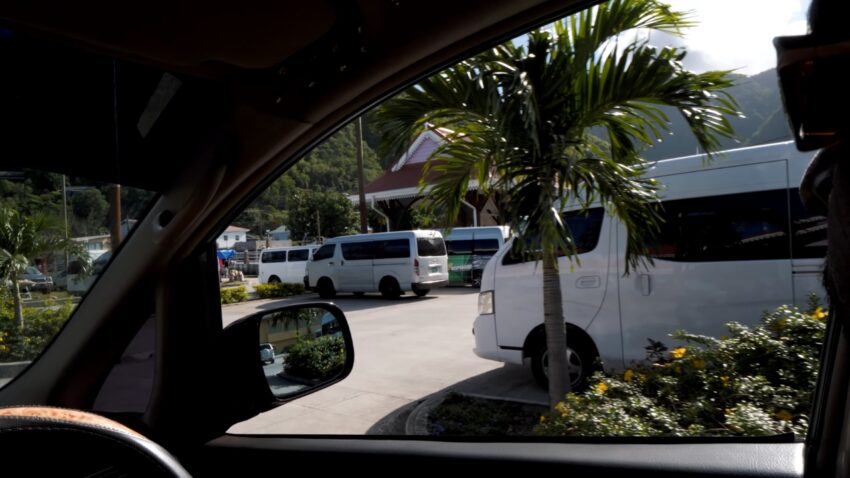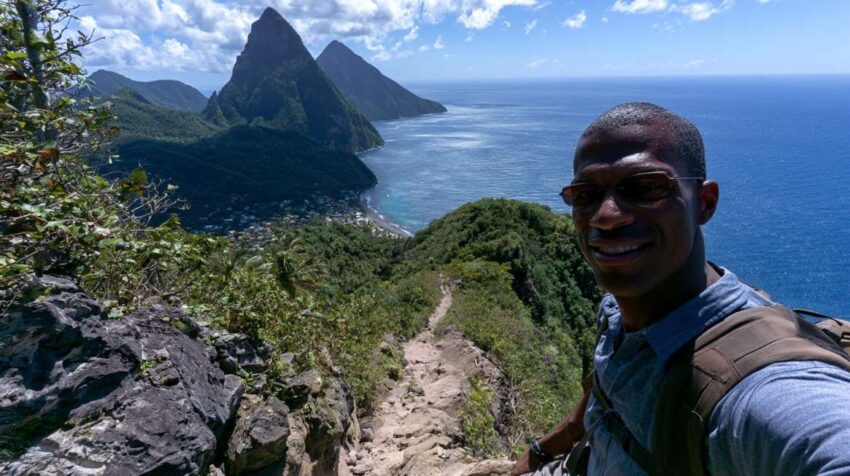
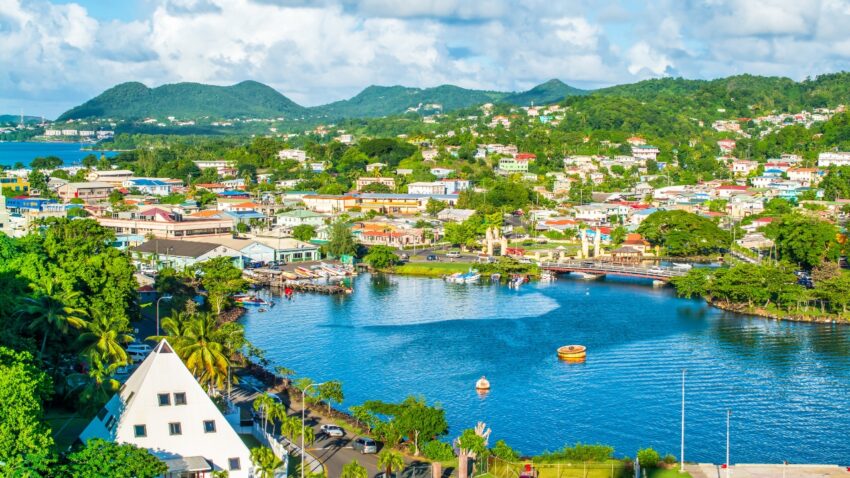
St. Lucia is generally safe for tourists, but visitors should still use common sense. Most people have trouble-free trips, especially when they stay in popular areas like Rodney Bay, Marigot Bay, Soufriere, Gros Islet, and main resort zones.
Across the island, tourism is a major part of daily life, so hotels, excursions, beaches, and transport options are set up for visitors.
Major resort areas and popular attractions usually have a visible safety presence, helpful staff, and a steady flow of other travelers.
For most travelers, St. Lucia is not a dangerous destination.
Is St. Lucia Safe for Tourists?
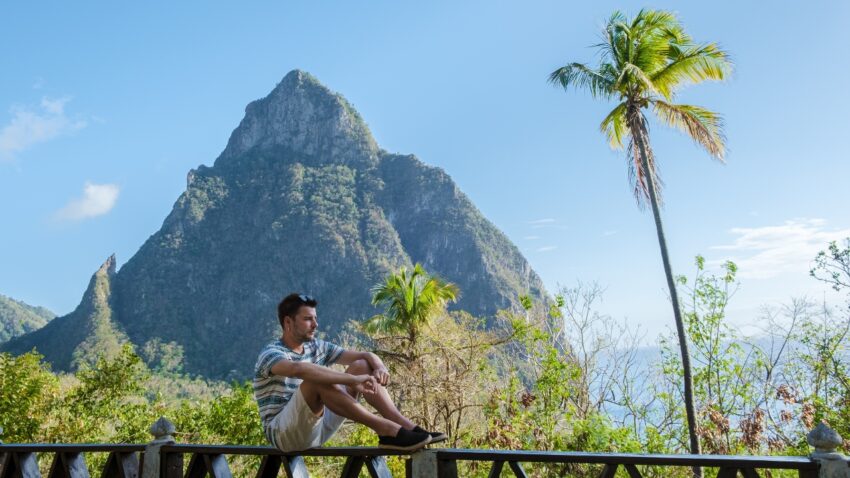
For visitors comparing Caribbean vacation options, St. Lucia usually ranks as a comfortable choice rather than a high-risk one.
Tourists come for beaches, resorts, rainforest trips, boat tours, the Pitons, and romantic or family vacations, and most visits happen without serious trouble.
St. Lucia is considered one of the safer Caribbean islands for tourists. A vast number of visitors enjoy vacations there without major problems.
Violent crime aimed at tourists is rare. Petty theft and opportunistic crime are more realistic risks for visitors.
U.S. Department of State travel advice rates St. Lucia at Level 1: Exercise Normal Precautions, which supports the idea that tourists do not usually face elevated travel risk.
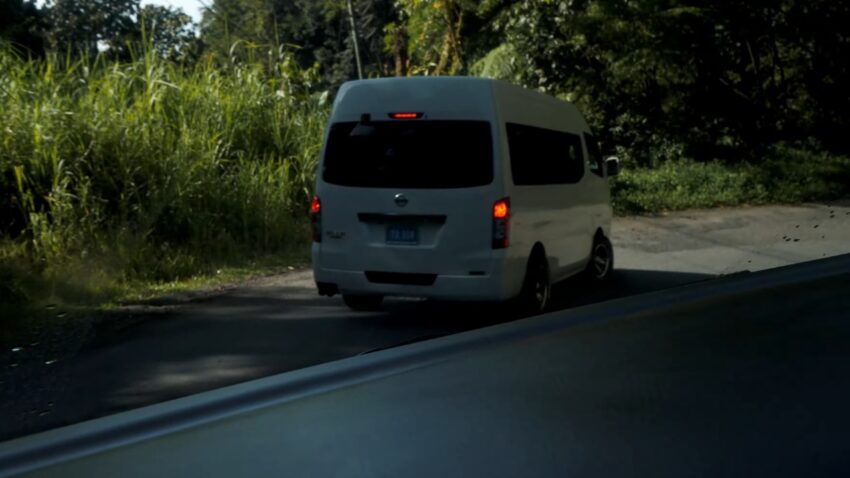
Walking alone at night in unfamiliar or poorly lit areas increases risk, especially outside main tourist zones. Tourists are safest when they stay on well-traveled routes, use reputable transportation, and book activities through established operators. Most visitor safety concerns in St. Lucia are practical rather than alarming. Smart planning can prevent many of the issues that travelers are most likely to face. Just to know, the crime rate in St. Lucia was 39.04 in 2023, a 5.76% increase from 2022, according to MacroTrends. Petty theft is the most common issue affecting tourists in St. Lucia. Common problems include unattended beach bags being stolen, valuables taken out of rental cars, pickpocketing, and bag snatching. Higher-risk spots include busy urban areas, markets, cruise-port zones, Castries, crowded events, and some beaches. Usually, these crimes are opportunistic. They should not make travelers afraid of visiting, but they should encourage basic awareness. Car break-ins can happen at trailheads, remote beaches, and parking areas where phones, wallets, bags, cameras, or luggage are left visible. Keep valuables out of sight, avoid leaving belongings unattended, and carry only what you need for the day. Transport and tour pricing can confuse first-time visitors because rates may vary by distance, timing, negotiation, and currency. Most drivers and guides are honest, but tourists should confirm details before agreeing to a ride or activity. Unofficial taxi overcharging is a common tourist issue. Some unlicensed or opportunistic drivers may quote prices far above normal rates. Visitors should use registered taxis, hotel-recommended drivers, or transportation arranged through a trusted tour company. Always agree on the fare before getting in. Official taxis may have proper taxi plates, so avoid accepting random rides offered by strangers. Common disputes can involve unofficial “friendly guides” who offer help and later demand payment, inflated tour prices, beach chair or equipment rental disagreements, jet ski damage claims, and confusion between U.S. dollars and Eastern Caribbean dollars. Currency confusion matters because 1 U.S. dollar is roughly equal to 2.7 Eastern Caribbean dollars. Always confirm which currency is being quoted before agreeing to a price. Driving in St. Lucia can feel more demanding than many visitors expect. Short distances on a map can take longer because roads often curve through hills, villages, and mountainous areas. Saint Lucia launches road safety campaign https://t.co/MmlWsNpV2o pic.twitter.com/6DkJkOSPL8 — St. Lucia Times (@stluciatimes) October 9, 2025 St. Lucia’s roads can be narrow, winding, steep, hilly, and poorly lit, especially outside major towns and in the mountainous interior. Roads around Soufriere and the southern part of the island can require extra concentration. Driving is on the left. Road conditions can include potholes, unmarked hazards, sharp bends, and limited signage. Travel times are often longer than map apps suggest because mountain roads slow everything down. Castries to Soufriere is a scenic route, but it requires focus. Visitors who rent a car should avoid night driving when possible because poor lighting, unfamiliar roads, sharp turns, and local driving habits can increase risk. Beach safety in St. Lucia is mostly about water conditions, not crime. Calm bays can be excellent for swimming, while other beaches may look inviting but have stronger water movement. Most popular tourist beaches are safe for swimming, especially calmer and sheltered beaches such as Reduit Beach in Rodney Bay and beaches around Marigot Bay. The biggest water risks are usually strong surf, rip currents, and undertow rather than crime. Atlantic-facing east coast beaches can be rougher and may not be suitable for casual swimming. Some volcanic black sand beaches near Soufriere are beautiful, but the surf can be stronger there. Check local conditions before entering the water. Resorts and public beaches may use flags or signs to show swimming conditions. Pay attention to posted warnings and local advice. Rocky areas can have sea urchins or stonefish, so water shoes can help when wading. Weather can affect safety, comfort, and travel plans in St. Lucia. Sunshine is common, but tropical systems can change sea conditions, roads, and flight schedules quickly. Hurricane season runs from June through November. Tropical storms can bring heavy rain, rough seas, flash flooding, canceled tours, ferry delays, flight disruptions, and road issues. Calmer dry season conditions are generally more common from December to May. That period is also often better for swimming and outdoor activities. Travel insurance is strongly recommended, especially during hurricane season. Area choice matters in St. Lucia because visitor comfort can vary by neighborhood, road access, nightlife, beach conditions, and distance to attractions. Most first-time visitors feel most comfortable in established tourist areas with reliable transport and plenty of hotels or resorts. Visitors who want convenience, easy transportation, beach access, and a busy evening scene often choose Rodney Bay. Its concentration of restaurants and hotels also makes it easier to avoid long, late-night walks. Marigot Bay is considered very safe, quiet, scenic, and resort-focused. Its sheltered bay gives it a relaxed feel, and many visitors choose it for a calmer stay. Good accommodation, boat access, and a more peaceful setting make Marigot Bay a comfortable option for couples and travelers who want a slower pace. Soufriere is generally safe for tourists during the day. It is popular for the Pitons, Sulphur Springs, volcanic mud baths, rainforest trips, waterfalls, and guided nature activities. Visitors should use reputable guides for volcano, rainforest, waterfall, and hiking excursions. Guided trips are especially smart for the Pitons and more remote natural sites. Travelers staying near Soufriere should plan transport carefully because roads can be steep and winding. Daytime touring is usually the easiest choice for guests who are not confident with island driving. Gros Islet is generally safe and best known for the Friday Night Street Party. Crowds, music, food, and nightlife create a lively atmosphere. Visitors should watch belongings in crowds and use trusted transportation afterward. Pickpocketing and lost items are more likely when large crowds and alcohol are involved. Main resort areas, popular beaches, Rodney Bay, the Pitons corridor, and major tourist zones are generally well-patrolled and comfortable for visitors. Night safety in St. Lucia depends heavily on location. Busy resort areas and organized events can feel comfortable, while quiet roads, empty beaches, and poorly lit streets call for more caution. Tourist areas can be safe at night, especially busy places like Rodney Bay’s restaurant and bar strip and organized events such as the Gros Islet Friday Night Street Party. Unfamiliar, isolated, or poorly lit areas should be avoided after dark. Long walks at night are not a good idea, especially outside resort zones or main streets. Use pre-arranged taxis, hotel-recommended drivers, or trusted transportation after dark. Crowded nightlife and festival settings are usually welcoming, but pickpocketing and lost belongings are more likely when crowds and alcohol are involved. Heavy drinking can increase vulnerability to opportunistic crime. Keep an eye on your drink, stay with your group, and plan your ride back before going out. For most travelers, St. Lucia calls for a reassuring but honest answer. It is a safe vacation destination for people who use normal travel precautions, but it is not risk-free. Yes, St. Lucia is safe for most tourists who take normal travel precautions. A fair answer is simple: safe with precautions, not unsafe and not risk-free. Most likely problems include petty theft, taxi or tour overcharging, rental car break-ins, road safety issues, rough ocean conditions, and hurricane-season disruption. Balanced safety advice is best. St. Lucia is a beautiful, welcoming island where most trips go smoothly, but travelers should stay alert in Castries, protect valuables, be cautious at unfamiliar beaches, and use smart transportation after dark.
Main Safety Concerns in St. Lucia
Petty Theft
Taxi and Tour Scams
Road Safety
Beach and Ocean Safety
Weather and Hurricane Season
Safest Areas to Stay in St. Lucia
Rodney Bay
Rodney Bay is often described as one of the safest and most tourist-friendly areas in St. Lucia. It has restaurants, bars, hotels, nightlife, a marina, shopping, and a strong tourism infrastructure.Marigot Bay
Soufriere
Gros Islet
Is St. Lucia Safe at Night?
Closing Thoughts