
St. Lucia looks small on a map, but travel can take longer than expected. Island size is about 238 square miles, yet mountains, tight curves, and spread-out attractions slow down many routes.
A north-to-south drive can take about 2.5 hours. A full coastal road loop can take about 3.5 hours.
The best transportation choice depends on budget, luggage, hotel location, driving confidence, and daily plans.
Ferries, water taxis, tours, and helicopters are also available, but most trip budgets still come down to bus, taxi, or rental car. A quick price check makes the tradeoff clear before planning each travel day: Bus travel is the cheapest choice. Taxi travel is easiest. Rental cars often become a better value once a traveler plans several sightseeing days. Taxi fares can vary by destination, passenger count, luggage, and company. Always confirm the fare before the ride begins, and ask if the price is in US dollars or Eastern Caribbean dollars. St. Lucia’s buses are usually 14-seat vans or minibuses, not large city buses. Locals use them often for town-to-town travel. Official minibuses have green license plates with an M prefix. Routes connect towns and communities, but they do not always reach quiet beaches, trailheads, waterfalls, or resort roads. A bus can get travelers close to many towns, but a taxi or a walk may still be needed for the last stretch. Official minibus fares run EC$2.50 to EC$8, depending on the route. Some short local rides can cost around EC$1.50, or about US$0.80. Longer local examples can reach around US$5. Many visitor budget estimates place bus rides at about US$1 to US$3. Even at the upper end, minibuses cost far less than taxis. A traveler taking several daytime town-to-town rides can keep transport spending low, especially when staying near a known route. Minibuses work best for travelers who can trade convenience for savings. They fit simple daytime plans better than late-night dinners, airport arrivals with luggage, or packed sightseeing days. Good matches include solo travelers, budget travelers, guests staying near a bus route, and visitors comfortable with informal local transport. Extra time helps because transfers and waiting are common. Savings come with limits. Minibuses may not follow a strict timetable and often leave when full. Waiting 10 to 30 minutes before departure is possible. Bus travel works best for flexible visitors who can adjust timing and routes. For visitors who want the simplest option, taxis are the easiest way to move around St. Lucia. They cost more than buses, but they remove the need to navigate routes, wait for vans, or drive on unfamiliar roads. Taxis are available at airports, hotels, guesthouses, taxi stands, larger towns, and resort areas. Authorized taxis have light blue license plates with a TX prefix. Many hotels and guesthouses can arrange trusted drivers. Visitor quotes are often given in US dollars, though Eastern Caribbean dollars may also be used. Prices should be confirmed before getting in. Longer rides, waiting time, return trips, luggage, and extra stops can all affect the total. Taxi prices vary, but several common benchmarks help with planning: Longer rides can cost much more than travelers expect, especially when sightseeing plans involve several separate trips. Taxis work well when convenience matters more than price. They are practical for airport arrivals, departures, dinners, nightlife, one-off excursions, and travelers who do not want left-side driving. Groups can also split the fare, which helps soften the cost. Resort guests planning only a few outings may find taxis easier than renting a vehicle for the full stay. After dark, taxis are often the better option because bus service is weaker or unavailable on many routes. Repeated long-distance taxi use can quickly pass the cost of a rental car. A couple taking several round-trip flights between Castries, Rodney Bay, and Soufriere may spend more than they would on a daily rental. Using the same trusted driver for several rides may help with reliability and sometimes with round-trip pricing. For travelers planning several stops in one day, a rental car can make St. Lucia much easier to manage. It gives more control over timing, route changes, beach stops, meals, and attraction visits. A rental car gives travelers control over timing, stops, meals, beaches, viewpoints, and attraction visits. Cars, four-wheel drive vehicles, and scooters can be booked in advance or arranged at airports, hotels, and rental offices. Rental cars are useful for places not easily reached by bus or tour. They also help visitors avoid repeated taxi fares. A multi-stop day is where a rental car can make the most sense. One day might include Soufriere, the Pitons, waterfalls, a beach stop, lunch, scenic viewpoints, and dinner. Doing that by taxi can be costly, while buses may not reach every stop efficiently. Daily rental rates commonly sit around US$50 to US$80. Economy cars may start around US$65 per day. SUVs may cost around US$110 per day. Luxury vehicles cost more. The daily rate is only part of the total. A shared rental can be cost-effective for couples. At US$50 per day split between two people, the car cost can be about US$175 per person for a week before extras. Visitors need a temporary driving license to drive in St. Lucia. A valid home driver’s license is required. Permits can be obtained at the airport, a police station in Castries, or rental offices. Rental companies may help with the permit process. Travelers should ask in advance and bring a valid license. Drivers use the left side of the road. Roads can be narrow, winding, and steep, especially near Soufriere and along parts of the west coast. Main roads are usually good, but potholes and uneven pavement can appear on less-traveled roads. The rural speed limit is about 50 mph, or 80 km/h. Urban speed limit is about 31 mph, or 50 km/h. Parking is usually easier in smaller towns such as Laborie, Choiseul, and Vieux Fort. Busier areas such as Soufriere and Castries may have tighter parking or small fees. Night driving can be harder outside major towns because the lighting may be limited. Daytime driving is easier for many visitors. Google Maps is mostly correct, and the Gizi road map is one of the more detailed map options for St. Lucia. Rental cars work best for active itineraries and travelers comfortable behind the wheel. Cost value improves when several taxi rides would otherwise be needed. Rental cars are less ideal for nervous drivers, visitors staying mostly at one resort, late-night arrivals, and anyone uncomfortable with left-side driving, narrow roads, hills, or low-light rural routes. If a couple plans several taxi trips at US$80 to US$120 one way, a rental at US$50 to US$80 per day can become a better value quickly. Economy cars usually cost less, often starting around US$65 per day. They use less fuel and work well for main roads, nearby towns, and shorter trips around Laborie, Choiseul, or Soufriere. SUVs cost more, often around US$110 per day, but offer more space, comfort, and clearance. They are better for families, luggage, hiking days, remote beaches, steeper hills, and occasional rougher roads. Luxury vehicles cost more and are not needed for most routes. They may suit honeymooners or special-occasion travelers who want a more comfortable scenic drive. Bus travel is cheapest, most local, and best for simple daytime trips between towns. Official fares run about EC$2.50 to EC$8, with many visitor budgets estimating roughly US$1 to US$3 per ride. Taxi travel is easiest for airport transfers, nights out, hotel pickups, and occasional rides. Common price points include US$10 to US$20 within Castries, US$80 to US$120 between Castries and Soufriere, and US$25 to US$50 for many airport transfers. Rental cars offer the most flexibility and can be the best value for active travelers. Typical daily rates run about US$50 to US$80, with economy cars around US$65 per day and SUVs around US$110 per day. Most visitors do best by mixing options. Use buses for budget daytime routes, taxis for airport transfers and nights out, and a rental car for one or more dedicated sightseeing days.
Bus vs Taxi vs Rental Car

Option
Base Price
Example Higher-Cost Trip
Best For
Main Cost Warning
Public minibus
EC$2.50 to EC$8 officially
Short local trips can be around EC$1.50
Budget daytime travel
Routes and timing are limited
Taxi
US$10 to US$20 within Castries
Castries to Soufriere can be US$80 to US$120 one way
Transfers and easy point-to-point rides
Costs rise fast with repeated long trips
Rental car
US$50 to US$80 per day
Economy cars near US$65 per day, SUVs around US$110 per day
Multi-stop sightseeing days
Add fuel, insurance, permit, and parking
Water taxi
US$15 to US$25 per ride
Varies by coastal route
Scenic coastal hops
Not useful as a full-island transport plan
The Cheapest Choice is Taking Public Minibuses
For travelers watching every dollar, minibuses offer the lowest transportation costs on the island. They work best for simple daytime routes between towns, especially when a traveler has extra time and light luggage.How St. Lucia’s Bus System Works
What the Bus Really Costs
When Taking the Bus Makes Sense

Hidden Costs and Tradeoffs
The Most Convenient Choice is Taxis
How Taxis Work in St. Lucia
What Taxis Really Cost
Taxi Route
Typical Cost
Airport transfer to hotel
US$25 to US$50 one way
Taxi within Castries
US$10 to US$20 per ride
Castries to Soufriere
US$80 to US$120 one way
Southwest coast to Soufriere
US$40 to US$50
Southwest coast to Hewanorra International Airport, UVF
Usually less than US$40 to US$50
When Taxis Make Sense

When Taxis Get Expensive
The Most Flexible Choice is Taking Rental Cars

Why Many Travelers Rent a Car
What Rental Cars Really Cost
Temporary Driving License Requirement
Driving Conditions in St. Lucia
When a Rental Car Makes Sense
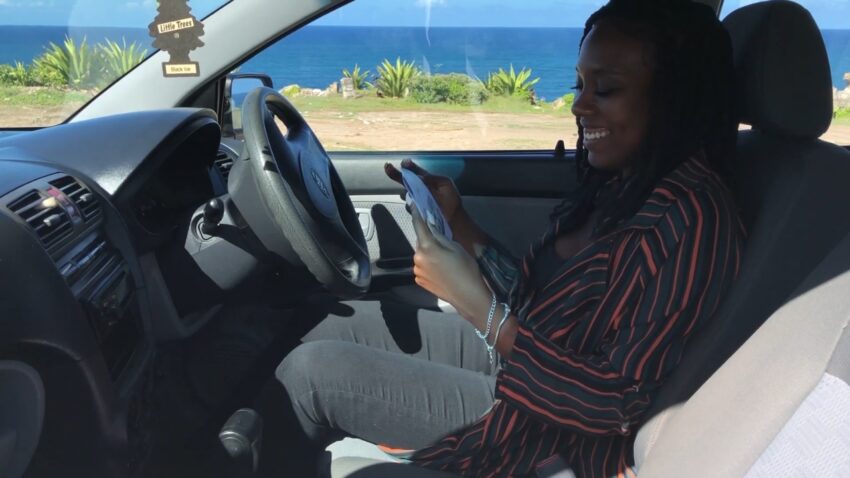
Economy Car vs SUV
Closing Thoughts