Banana farming shaped St. Lucia’s economy, rural communities, infrastructure, and national development.
At one point, St. Lucia was described as the largest banana exporter among the Windward Islands, showing how closely the crop became tied to national identity and export income.
Modern St. Lucia grew partly through banana production.
Bananas supported rural livelihoods, connected small farmers to overseas markets, brought foreign income, and forced the country to adapt after trade changes, hurricanes, flooding, and black sigatoka disease weakened the industry.
So, how did one crop shape so much of modern St. Lucia?
Bananas as the Backbone of Rural Life
Banana farming supported a wide network of people across St. Lucia.
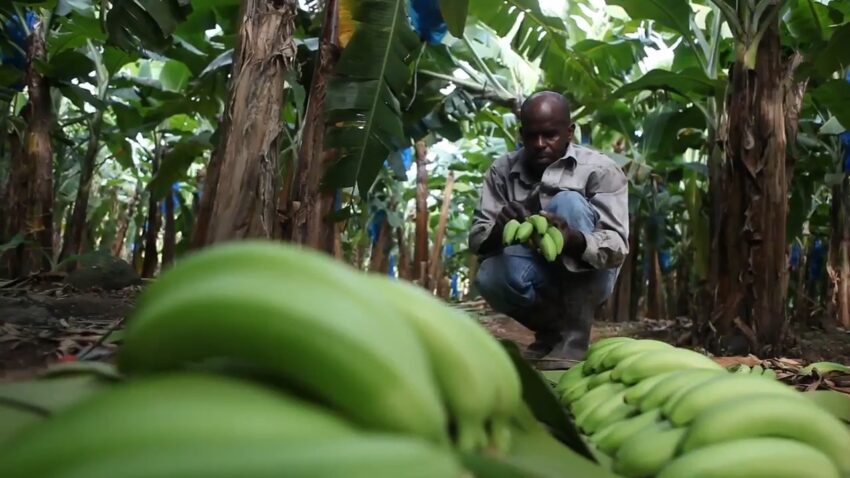
Farmers planted and cared for the crop, workers cut the fruit, packers prepared it, drivers moved it, exporters handled overseas sales, and rural communities depended on the income it created.
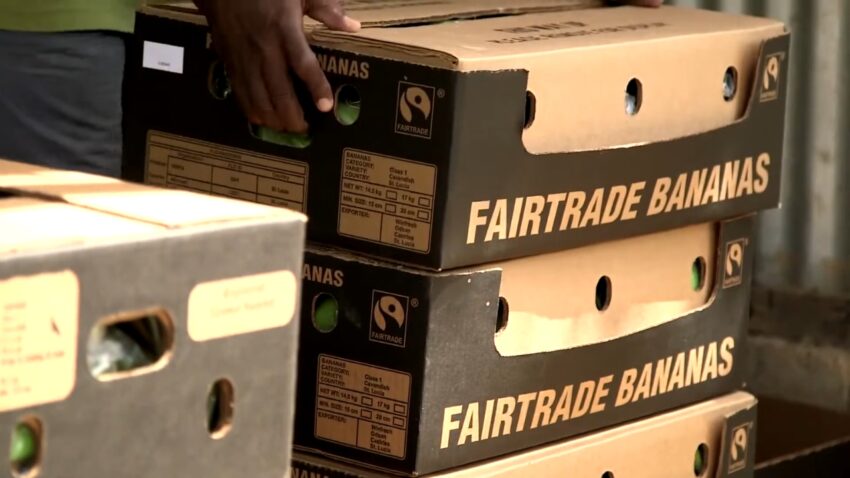
Banana production required hard physical labor. Workers harvested the fruit, trimmed it, washed it, sorted it, inspected it, packed it into boxes, transported it to warehouses, and prepared it for shipment overseas.
Many farmers carried boxes of bananas by pickup truck to collection points. Inspectors counted the boxes, checked quality, and passed approved fruit to WINFRESH for export.
Through that system, small farms in rural St. Lucia gained access to international markets, especially buyers in the United Kingdom.
Daily life in many farming districts moved according to the rhythm of the crop. Harvest days, truck routes, packing schedules, and shipping deadlines shaped local routines.
Banana income helped families buy household goods, pay for education, and take part in a cash economy tied to global trade.
Bananas and the National Economy
View this post on Instagram
Bananas became one of St. Lucia’s major exports and a key source of foreign income.
During years when the industry was strong, agriculture gave the island a major link to overseas markets and helped make rural production central to national development.
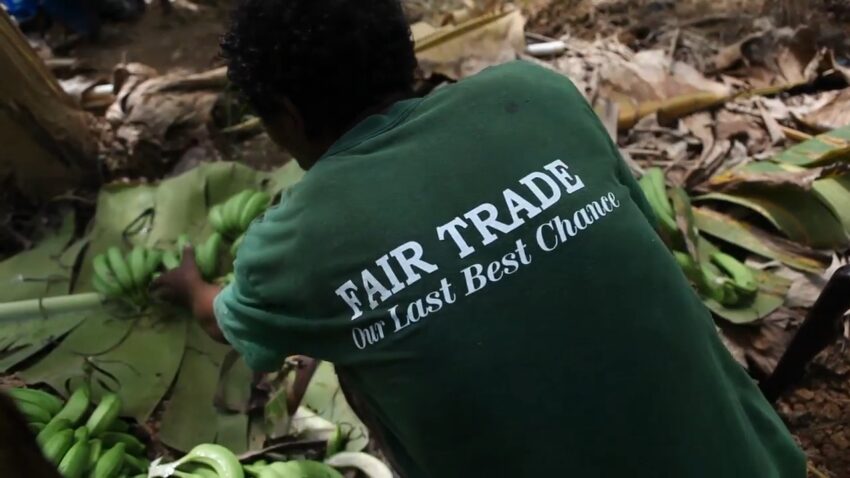
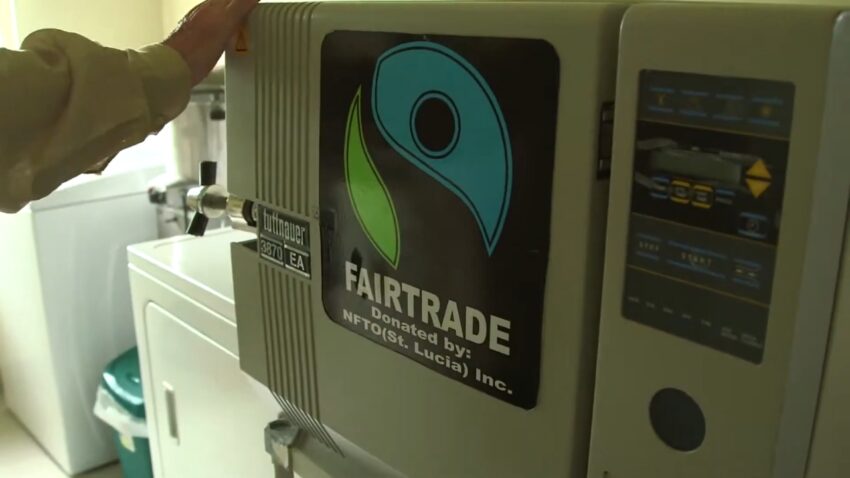
Agriculture no longer ranked as St. Lucia’s largest revenue generator, but farming jobs still mattered because they kept many rural households connected to steady work and income. Even as other sectors grew, banana production continued to support families, transport networks, packing operations, and export activity. Dependence on one crop created serious risks. When prices fell, storms hit, disease spread, or trade rules changed, farmers and the national economy felt the pressure quickly. Banana exports brought opportunity, but reliance on bananas also made St. Lucia vulnerable to forces outside local control. St. Lucia’s banana industry relied heavily on access to European markets. Preferential access helped small island producers sell fruit overseas even though they faced higher production costs than larger producers in other regions. European banana marketing arrangements changed after amendments to the import regime were introduced on January 1, 1999. Those changes altered the market that St. Lucian farmers had depended on for years. After those trade changes, the European Union created the Special Framework of Assistance to improve the competitiveness of traditional ACP banana-producing countries. Aid linked to that program aimed to help countries like St. Lucia adjust to new conditions in the international banana trade. Small St. Lucian farmers struggled in a market increasingly shaped by larger producers, lower-cost competitors, and changing trade rules. Industry decline was not only a farm problem. It was also a global trade problem that showed how overseas policy decisions could reach into rural communities across the island. Hurricanes, floods, and storms damaged banana farms and reduced farmer income. Banana plants can be destroyed quickly by high winds and heavy rain, leaving growers with lost crops, damaged fields, and little cash while they wait for replanting and recovery. Black sigatoka disease also struck banana production. Many banana plants died, and many farmers lacked the money, equipment, and technology needed to protect their crops. Disease control required organized treatment, training, and stronger farming systems. Through the Taiwan International Cooperation and Development Fund, the Banana Black Sigatoka Disease Prevention and Treatment Project was introduced in St. Lucia. Its goals included creating disease-control models and developing disease-resistant banana strains. Climate shocks and plant disease exposed the fragility of a banana economy built around one crop. Farmers had to fight market pressure, weather damage, and biological threats at the same time. Fairtrade helped farmers strengthen livelihoods and invest in community projects. St. Lucian farmers became independently certified by Fairtrade and worked to expand their capacity in the banana sector. Fairtrade Premium money gave farmers a way to support shared goals through democratic decision-making. One important use of that money was to fund a school and development center for children with special needs, showing how banana income could support wider community needs. Banana recovery also involved formal development institutions. Cabinet Conclusion No. 691 of June 10, 1999, established the Banana Industry Trust, and the Trust Deed was executed on June 29, 1999. Support for the Trust came through European Union programs rather than direct government funding. Its goals included improving banana farm practices, restoring confidence in the banana industry, providing technical training, and supporting viable agricultural projects. Infrastructure work formed a major part of the recovery effort. Those investments connected banana recovery to water systems, drainage, technical training, farm confidence, and long-term agricultural planning. St. Lucia began widening agricultural production into crops such as tomatoes, sweet potatoes, papayas, peppers, cocoa, cassava, pineapple, and cut flowers. Farmers needed more options because one crop could no longer carry rural income safely on its own. Some farmers grew tomatoes, sweet potatoes, papayas, and peppers alongside bananas to deal with an unpredictable climate and marketplace. Mixed farming gave households more protection when banana income fell or when the weather damaged one crop more than another. At first, the Banana Industry Trust focused on bananas. Later, its support widened to agriculture as a whole. That shift showed a growing need to protect farmers by strengthening many parts of the agricultural sector, not only banana production. Sustainable agriculture became important for reducing risk and supporting rural families. Better farm practices, training, water management, crop variety, and disease control all became part of St. Lucia’s agricultural future. Banana decline pushed the country to rethink how farming could support national development. A stronger future required less dependence on one crop and more support for farmers adapting to new economic and environmental pressures. Bananas helped build modern St. Lucia through exports, employment, rural income, infrastructure, and agricultural development. At its height, the crop connected small farming communities to international markets and made agriculture central to national growth. Trade changes, hurricanes, flooding, black sigatoka disease, and reliance on one crop exposed major weaknesses in the banana economy. St. Lucia’s banana story shows resilience, adaptation, and survival as farmers and institutions worked to rebuild, diversify, and protect the country’s agricultural future.
Global Trade and Industry Decline
Climate, Disease, and Farmer Struggles
Rebuilding Through Fairtrade and Development Programs
Moving Past Banana Reliance
Summary