At sunrise, Saint Lucia fills with Kwéyòl greetings, drums, folk songs, laughter, and vendors calling out to festival crowds.
Traditional dress, food stalls, village gatherings, and public performances turn Jounen Kwéyòl into a national celebration of cultural memory.
Jounen Kwéyòl is more than a festival. It is a public act of pride in Saint Lucia’s Creole language, African and French-influenced heritage, food, music, dance, clothing, storytelling, and community identity.
For one day, Kwéyòl moves into the center of public life, giving Saint Lucians a shared way to honor the culture passed down through families and villages.
What Is Jounen Kwéyòl?

Jounen Kwéyòl means Creole Day. Saint Lucia celebrates it near the end of October, on the Sunday closest to International Creole Day, October 28.
As the major event of Creole Heritage Month, it gives national attention to language, food, music, dance, dress, storytelling, and community pride.
Creole Heritage Month is organized by the Folk Research Centre, founded in 1973 to research, document, preserve, and promote Saint Lucia’s cultural heritage and the Kwéyòl language.
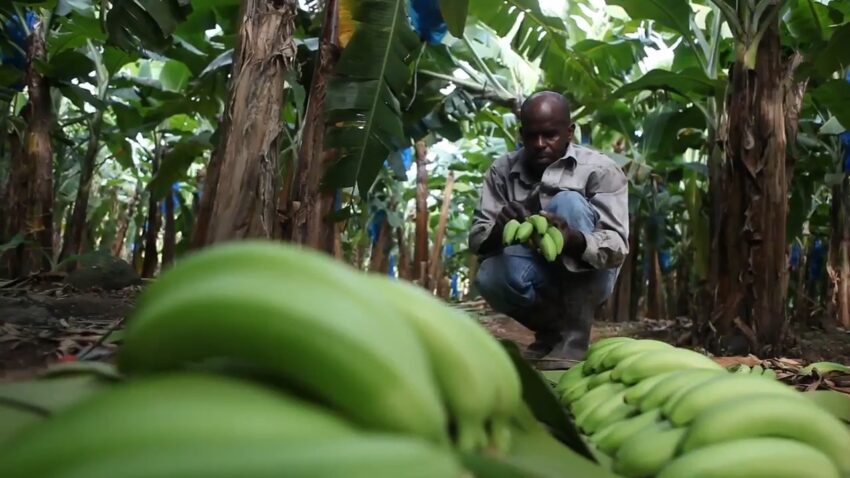
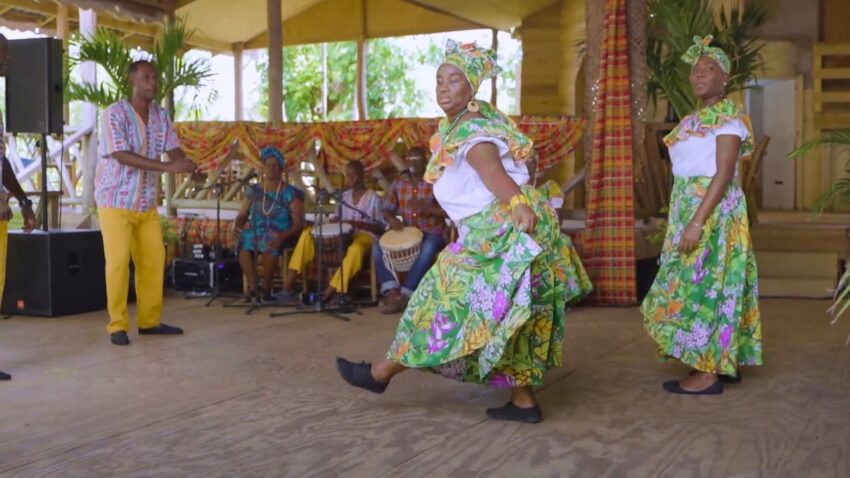
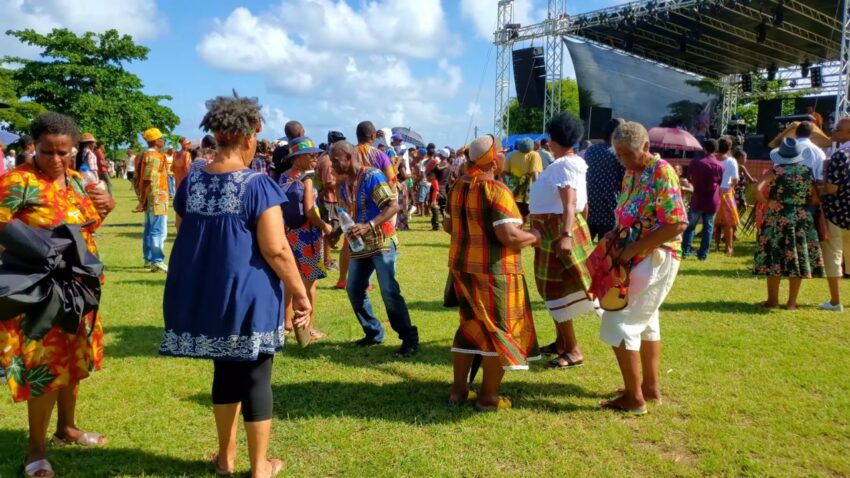
African, French, British, and Caribbean influences shaped Saint Lucian culture. Kwéyòl developed during slavery. Enslaved Africans combined African language patterns with French and English words so they could communicate, especially after being separated by language and forbidden to speak their native languages. After slavery ended, Kwéyòl continued as a widely spoken language in homes, villages, markets, farms, songs, and stories. It was passed down orally, not usually taught in schools. For many years, people associated it with lower social classes and treated it as less valuable than English. Founded in 1973, the Folk Research Centre protects Saint Lucia’s cultural heritage and Kwéyòl language through research, documentation, public education, and cultural programs. Jounen Kwéyòl began in 1983 with more than 15 hours of Creole radio programming. Jounen Kwéyòl is a celebration of our French/African dialect widely spoken in Saint Lucia with a mix of creole food, music, games and folklore giving this festival a unique flavor ! #BonfeteKwéyòl #BonJounenKwéyòl #Culture #Food #Dance pic.twitter.com/7VEOsj99fq — ECADE (@EC_Equality) October 26, 2018 In 1984, Mon Repos, a small town on Saint Lucia’s east coast, hosted the first community-based Creole Day. Activities included a Creole mass, games, music, drumming, dance, and food. Creole-speaking countries also helped build a wider movement. Bannzil Creole was formed to honor shared Creole heritage. Its members chose October 28 as International Creole Day, now celebrated by millions of Creole speakers around the world. Jounen Kwéyòl gives Kwéyòl full public value. On that day, people hear it in radio programs, church services, speeches, music, storytelling, greetings, and everyday conversations. Kwéyòl carries ancestry, humor, memory, belonging, and resistance. Many Saint Lucians speak both English and French Creole, but Jounen Kwéyòl gives Kwéyòl special national honor. Kwéyòl is still not taught in most schools. Even so, documentation gives the language greater recognition as a system with history, order, and cultural value. It is often described as a French and African dialect widely spoken across Saint Lucia. Food is one of the most important parts of Jounen Kwéyòl. Instead of focusing on everyday staples such as rice, flour, and pasta, many people prepare dishes built around local ingredients like yams, green bananas, breadfruit, crayfish, cassava, and other island foods. Traditional foods include green figs and saltfish, breadfruit, smoked herring, pigtail bouillon, callaloo soup, black pudding, crayfish, yams, green bananas, cassava, avocado, cornbread, tablet, fudge, guava cheese, coconut balls, and sugar cakes. Philomene, a roadside food vendor, shows the work behind festival cooking. Her favorite season is late October, when Saint Lucia celebrates Jounen Kwéyòl. She prepares traditional Creole dishes and searches for crayfish, which can be hard to find without the right contacts. Bouillon is often treated as a one-pot meal in Saint Lucia. It may include vegetables, meat, plantain, tania, seasonings, lentils or red kidney beans, and dumplings. Festival food connects cooking with farming, fishing, village economies, family recipes, and older methods of preparation. Music and dance give Jounen Kwéyòl its energy. Traditional drumming, folk songs, games, and dance have been part of the celebration since its early community events. Quadrille is known as the national dance of Saint Lucia and appears at many holiday celebrations. During Jounen Kwéyòl, dancers, drummers, musicians, and storytellers bring older customs into public spaces. Many celebrations invite people to take part through dance classes, folk performances, music, traditional dress activities, and folklore storytelling. Performance keeps Saint Lucian history active through sound, movement, skill, and memory. Traditional clothing is central to Jounen Kwéyòl. Many people wear Saint Lucia’s national dress, known as Madras or Jip. Bright fabric, head ties, skirts, and formal details make culture visible in public. Madras or Jip mimics the Wob Dwiyet, a grand full dress connected to clothing worn during the plantation period. Many people also wear Wob Dwiyet-inspired designs, African prints, and modern versions of national dress. Creole Heritage Month also includes pageantry. Dress and pageantry connect historical memory with modern Saint Lucian identity. On Jounen Kwéyòl, Saint Lucia honors Creole culture through language, food, music, dance, dress, storytelling, and community gatherings. A celebration that began in 1983 with more than 15 hours of Creole radio programming has grown into a major national event. It centers on Kwéyòl, traditional cooking, drumming, dance, clothing, folklore, and community memory. Saint Lucian culture was shaped by African, French, British, and Caribbean histories. For one day, the island speaks that heritage, sings it, dances it, cooks it, wears it, and passes it on.
Origins of Kwéyòl
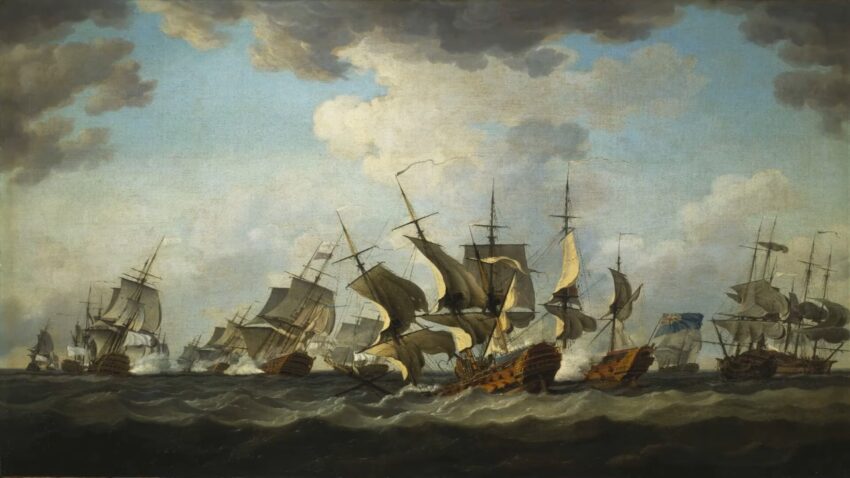
Saint Lucia was controlled by both Britain and France. Before independence from Britain in 1967, control changed hands fourteen times, seven times for each side.
The Role of the Folk Research Centre
Year
Event
1983
More than 15 hours of Creole radio programming marked the beginning.
1984
Mon Repos hosted the first community-based Creole Day.
1985
Fond Assau in northeast Saint Lucia hosted the celebration.
Later years
Rotating host communities helped spread the event across the island.
Why Language Is at the Heart of the Festival
Taste of Heritage

Music, Dance, and Performance
Dress and Visual Culture
Summary