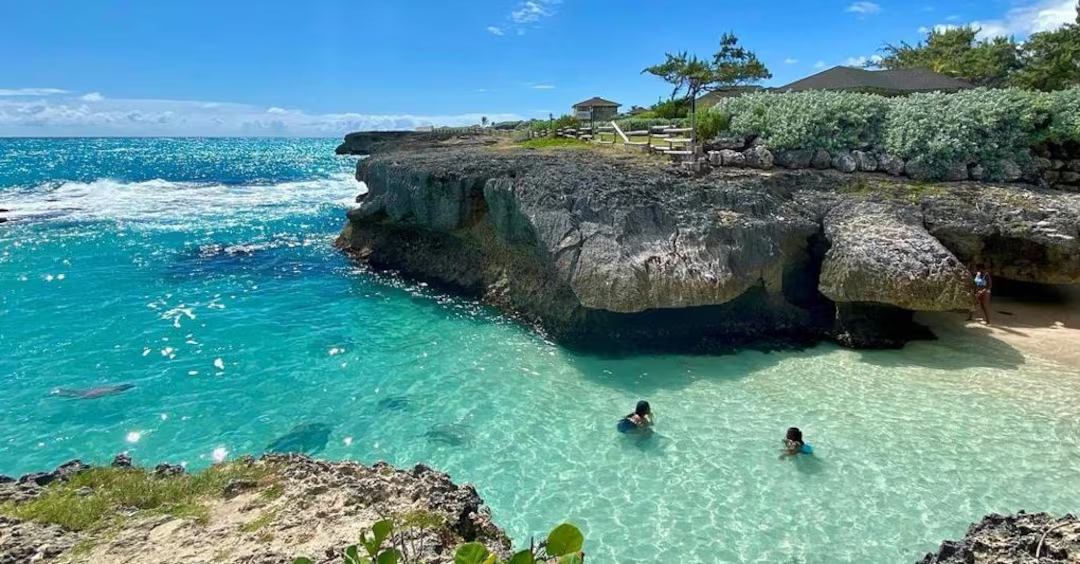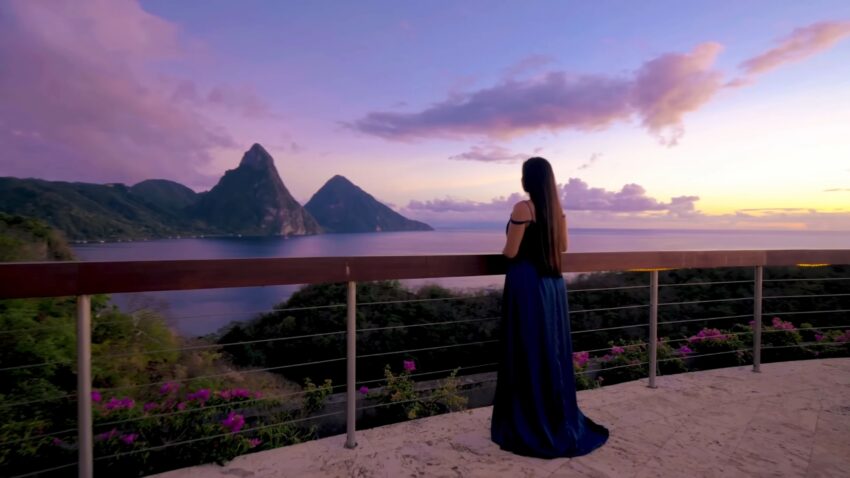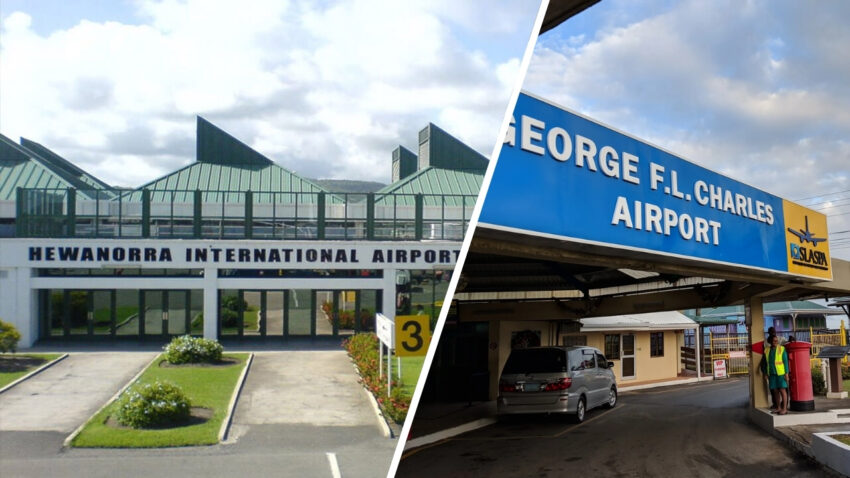

Moving to St. Lucia sounds simple when the dream starts with sea views, warm weather and a slower pace. The brochures show beaches, Pitons, waterfalls and resorts.
They rarely show the part where you are comparing rental areas, asking about water pressure, learning the minibus routes, waiting on paperwork or figuring out which side of the island fits your daily life.
That does not make the dream wrong. It just means St. Lucia feels very different when you live here instead of visiting for a week. A tourist can build the trip around beaches and boat days.
A resident has to think about work permission, transport, healthcare, utilities, school runs, grocery prices, hurricane season and how long it takes to get things done.
The island rewards people who arrive with patience and respect. It frustrates people who arrive expecting resort life at local prices. If you are thinking seriously about moving to St. Lucia, the useful question is not whether the island is beautiful.
It is whether your everyday habits, budget and expectations fit the way life actually works here.
The First Question Is Legal, Not Lifestyle

Before choosing a neighbourhood or imagining your morning swim, check your right to stay, work or run a business. Short visits are one thing. Living and earning on the island are different.
The Government of Saint Lucia lists immigration services through its official immigration portal, while the Tourism Authority also directs air arrivals to complete the electronic immigration form before arrival or on arrival using airport Wi-Fi.
People planning to work locally need to check work permit rules before accepting paid work. Older government work permit guidance says applicants begin by paying a non-refundable application fee before receiving the application, and the process involves the Work Permit Officer and supporting documents.
Anyone relying on employment should confirm the current process directly with the relevant ministry before moving.
Move Type
What To Check First
Why It Matters
Remote worker
Length of stay, tax position, employer permission, and current immigration route
Working online does not automatically solve residence or tax questions.
Local employee
Work permit, employer support, contract terms
Paid work in St. Lucia generally needs proper permission.
Retiree
Residence status, healthcare, banking, pension access
Long-term comfort depends on more than rent and weather.
Property buyer
Alien Landholding Licence, attorney, title checks
Non-citizen property ownership has legal steps before closing.
Family move
Schools, healthcare, transport, and housing location
The right area depends heavily on daily routines.
Rent First, Buy Later
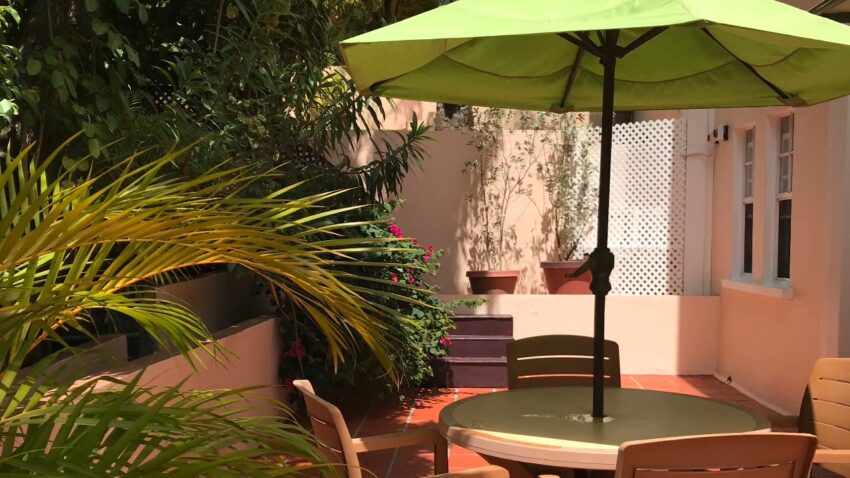
Buying too quickly is one of the easiest mistakes to make. St. Lucia looks small on a map, but each area lives differently. Rodney Bay, Gros Islet, Castries, Marigot, Soufrière, Vieux Fort and quieter hillside communities do not offer the same daily rhythm.
Renting first gives you time to learn the roads, rain patterns, commute pressure, noise, parking, shops, schools and neighbourhood feel. A sea view may look perfect online, then turn difficult if the road is steep, the house is exposed to wind, or every errand takes longer than expected.
Non-citizens also need to understand the property rules before buying land or a home. The Attorney General Chambers page on the Alien Landholding Licence application requirements states that an alien with a valid certificate, or an attorney acting for that person, may apply for a licence to purchase, acquire, lease, subdivide or continue to hold land in Saint Lucia.
In plain English: foreign buyers should use a proper local attorney, confirm title, budget for licence steps, and avoid treating a property deal like a quick holiday booking.
The Cost Of Island Life Is Uneven
Some parts of St. Lucia can feel cheaper than North America or Europe. Other things can feel surprisingly expensive. The difference usually comes down to imports.
Local fruit, provisions, fish, buses and simple food stops can be affordable. Imported groceries, appliances, furniture, cars, speciality foods, electronics, building materials and some household goods can cost far more than newcomers expect.
The Eastern Caribbean dollar is fixed to the U.S. dollar at EC$2.70 to US$1.00, according to the Eastern Caribbean Central Bank. That stable exchange rate helps with planning, but it does not remove the cost of shipping, duties, fuel, and small-market pricing.
As we already covered in our guide to St. Lucia on a smaller daily budget, local choices change the numbers. Eating like a resident, using minibuses and choosing public beaches can keep costs down. Living like a resort guest every week will not.
Utilities Need More Attention Than Newcomers Expect
Electricity, water and internet should be part of the moving budget from the start. Air conditioning can be the largest surprise for people coming from cooler countries. Running it all day is not the same as using a fan and opening windows when the breeze cooperates.
LUCELEC explains that an electricity bill depends on the amount of power used, the customer tariff category and the fuel surcharge cost adjustment factor. That fuel surcharge moves with energy costs, which means bills can change even when household habits stay similar.
Water costs are more predictable on paper, but still important. WASCO lists domestic water rates by usage level, including a minimum charge and a higher rate after the first 3,000 gallons. The company also lists separate wastewater rates where applicable.
Before renting or buying, ask direct questions: Does the home have a water tank? How stable is pressure? How old is the wiring? Are there ceiling fans? Which internet providers serve the property? Are there backup options during outages?
Driving Changes The Map
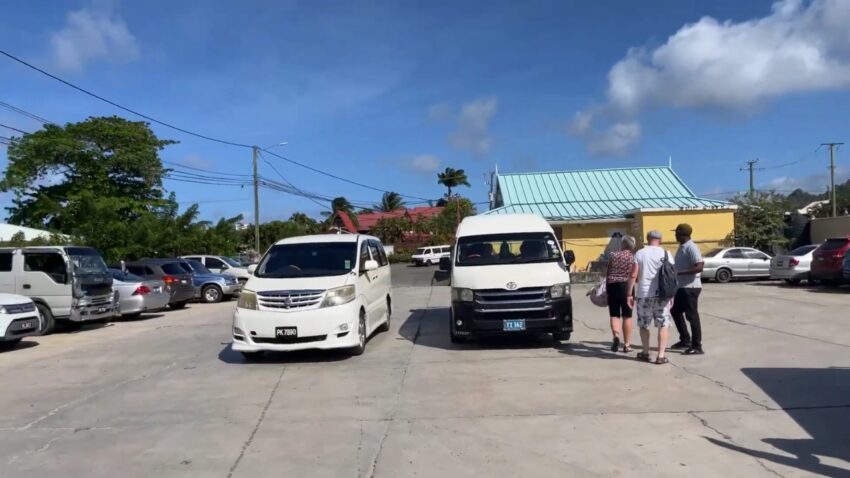
Distance in St. Lucia should be measured in time, not miles. Roads curve around hills, villages, coastlines and steep sections. A short-looking trip can turn into a long drive when traffic, rain, roadworks or school pickup enters the picture.
People coming from large countries may underestimate this. A daily drive from the south to the north is not something to take lightly. A commute that looks manageable during a vacation can feel different when repeated several times a week.
Canada travel advice for Saint Lucia tells visitors to use registered taxis with blue number plates and negotiate fares in advance. It also notes weekly ferry services between Martinique and Saint Lucia and between Saint Vincent and Saint Lucia.
For residents, the real choice is whether to buy a car, rely on minibuses, use taxis, or live close enough to work and shops that transport stays simple. A car gives freedom, but it also brings fuel, repairs, insurance, import costs and parking.
Healthcare Is Fine For Many Needs, But Plan For Limits
St. Lucia has public and private healthcare, but newcomers should not assume every specialist, test or emergency service will work like a major city hospital abroad. For ordinary care, the system can be workable. For complex conditions, medical evacuation or overseas treatment may become part of planning.
The Ministry of Health, Wellness and Nutrition maintains the official government health portal, while the Saint Lucia Tourism Authority health page advises visitors to review medical facilities, mosquito protection, hurricane season updates and emergency contacts before travel.
Anyone moving with children, pregnancy plans, chronic illness, prescription needs or specialist care should check doctors, insurance coverage and emergency options before committing to a lease. Bring medical records, confirm prescription availability and understand how private care is paid.
The Weather Is Not Just Sunshine
View this post on Instagram
The island has beautiful weather, but the climate is not a postcard every day. Heat, humidity, heavy rain, mosquitoes, Saharan dust, power interruptions and hurricane-season anxiety are part of the year.
The Government of Saint Lucia says hurricane season runs from June to November and urges residents and stakeholders to stay vigilant, monitor official updates and prepare ahead.
The same notice also mentions excess heat as a public health concern during that period.
Living here means having a hurricane plan, not just a beach bag. Keep water, basic food, medication, flashlights, batteries, important documents, a charged power bank and a plan for pets. Know whether your home floods, whether the road stays passable, and how the property handles high wind.
Safety Depends On Habits And Location
St. Lucia is not a place to fear, but it is also not a place to romanticise blindly. Daily safety depends on neighbourhood, transport habits, nightlife choices, money handling and ordinary awareness.
The U.S. State Department currently advises travellers to exercise normal precautions in Saint Lucia, while also recommending emergency planning and review of the Eastern Caribbean security report.
For residents, the advice is practical: learn which areas feel comfortable at night, do not flash cash, use trusted transport, secure doors and windows, ask locals before taking isolated routes, and avoid assuming that resort safety and everyday residential safety are the same thing.
The Social Adjustment Can Be Bigger Than The Weather

Moving to an island can feel lonely after the novelty wears off. Visitors meet staff, drivers, guides and other travellers. Residents need actual routines, friends, service providers, neighbours and patience with small-community life.
Island life can be warm, but relationships take time. People notice who arrives, who complains, who respects local ways, and who treats the island like a backdrop. Newcomers who listen first usually settle better.
Expect a slower pace in some offices, informal networks in many areas, and a social world where reputation travels. That can be comforting. It can also feel tight if you are used to anonymity.
Where You Live Shapes The Whole Move
Rodney Bay and Gros Islet are easier for restaurants, nightlife, beaches, shopping and expat social life. Castries works for government offices and businesses, but traffic and parking can test patience.
Soufrière gives scenery and nature, but daily convenience depends on your job and transport. Vieux Fort can fit people tied to the south, the airport or quieter residential life.
If you are still learning the island, spend time in more than one area before choosing. A weekend in Soufrière is not the same as living there through errands, school runs and rainy-season roads. We previously wrote about a 48-hour weekend in Soufrière, and that same area can be magical for a visit while requiring more planning for everyday life.
Area
Best For
Watch Before Choosing
Rodney Bay and Gros Islet
Restaurants, beaches, social life, and easier settling
Higher rents, busier roads, and more tourist pricing
Castries
Government offices, business, and central access
Traffic, parking, noise, a tighter city feel
Marigot and the West Coast Hills
Views, boating, quieter residential pockets
Roads, transport, and convenience after dark
Soufrière
Scenery, Pitons, nature, slower weekends
Distance from north-side services and nightlife
Vieux Fort and the south
Airport access, quieter pace, more local rhythm
Fewer north-style amenities and longer drives to Rodney Bay
Work And Business Take Local Patience
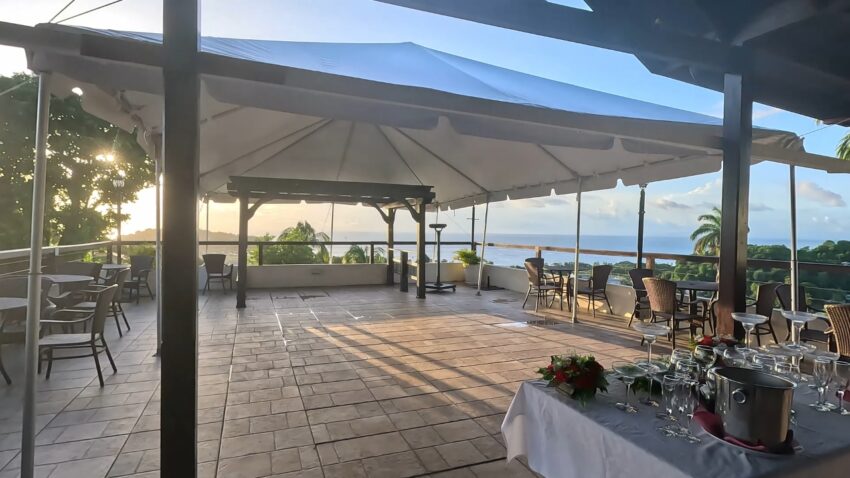
Running a business or freelancing from St. Lucia can work, but newcomers should not treat the island as a plug-and-play office. Banking, company setup, tax questions, internet reliability, licensing, shipping and work permission all need proper checks.
The Government of Saint Lucia portal links to business and e-services, including tax e-filing, companies and customs services. That is the place to start before taking advice from social media groups or informal expat chatter.
People opening hospitality, wellness, tour, food, or property-related businesses need extra care. Local competition, permits, staffing, seasonality, insurance and community relationships all affect whether the idea works beyond the launch excitement.
What Nobody Puts In The Brochure
Moving to St. Lucia can be a wonderful decision for the right person, but the brochure version is incomplete. The real move involves immigration rules, housing choices, utility costs, transport, healthcare, weather planning and the patience to adapt. Come for more than a vacation before deciding. Rent first. Talk to residents. Check official rules. Build a budget around daily life, not resort life. St. Lucia can give you a beautiful rhythm, but it works best for people who understand the practical side before they pack the boxes.
FAQs
Bottom Line