Many travelers aim for St. Lucia during December through April because those months bring drier weather, sunny days, and peak-season energy. High season also brings bigger crowds and higher prices.
Peak-season temperatures generally sit between 75°F and 85°F, or 24°C to 29°C, with minimal rainfall. That weather pattern explains why winter visitors often treat it as the safest time to book.
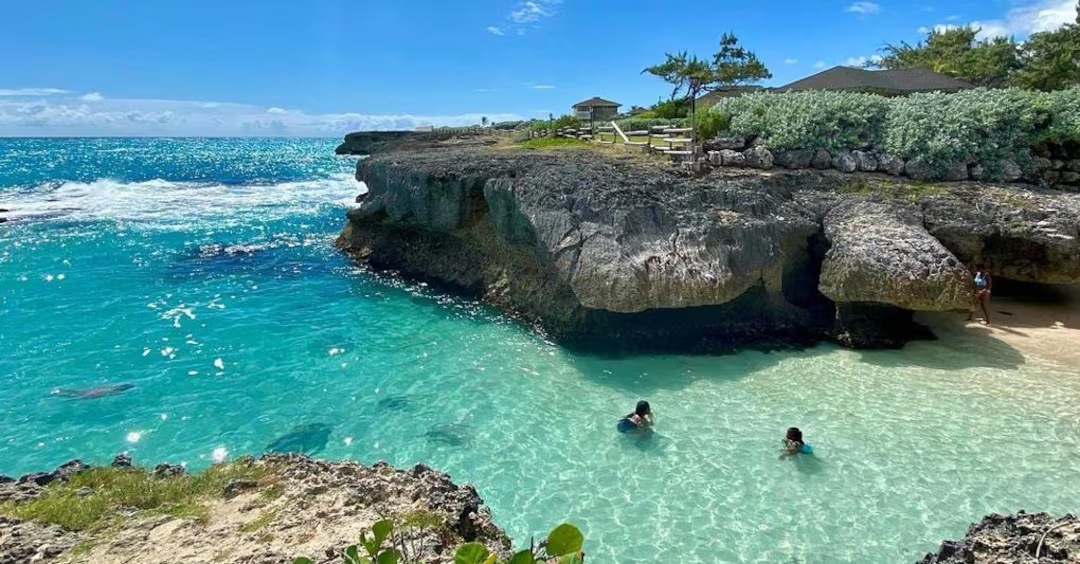
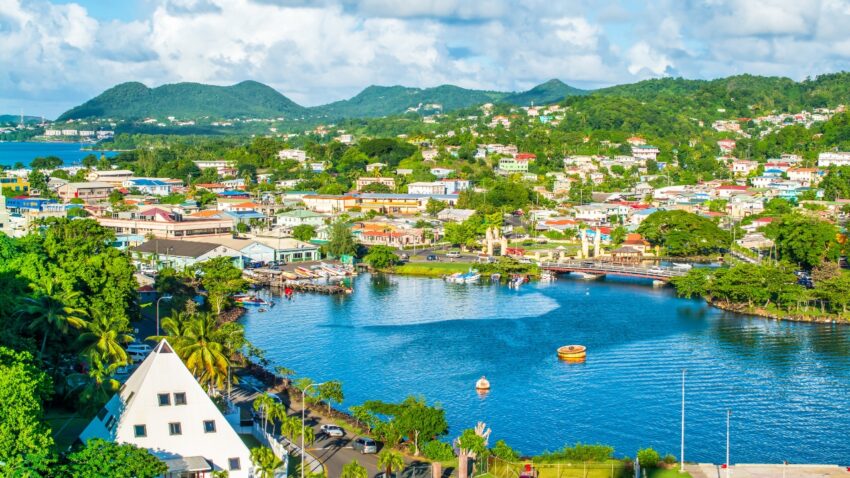
Off-season travel gives St. Lucia a different feel. Beaches are calmer, hills are greener, resorts can cost less, and local events bring more island character into the trip.
St. Lucia’s off-season fits travelers who value savings, lush scenery, cultural events, and quiet beaches more than guaranteed dry weather.
Best Off-Season Months to Consider
Month
Why Go
What to Expect
Best Fit
May
Good weather, lower prices, fewer crowds
St. Lucia Jazz & Arts Festival adds music, food, art, and live performances
Travelers who want value before the wetter months begin
June
Greener scenery and quieter conditions
Wet season begins gradually, with sunshine and occasional afternoon showers
Travelers who want fair pricing, lower crowds, and fresh scenery
July
Carnival energy and local culture
St. Lucia Carnival brings parades, costumes, music, dancing, and street events
Travelers who want culture, nightlife, and an energetic off-season trip
September and October
Lowest prices and lowest crowds
Wettest months, with higher humidity, rougher seas, mosquitoes, and peak hurricane-season risk
Flexible deal-seekers who can plan around weather changes
November
Better weather before peak season
Sunshine increases, crowds stay low, and prices often remain low-to-moderate
Travelers who want value, improving weather, and a calmer trip
Choosing the right month matters more during off-season travel. Some months offer a strong balance of price and weather, while others require more flexibility.
May – Sweet Spot Month
May is one of the strongest off-season choices. Peak-season crowds have dropped, prices are usually better, and the weather often stays favorable.
May is often considered a sweet spot because it brings good weather, fewer tourists, better prices, and added cultural value. St. Lucia Jazz & Arts Festival gives the month extra energy with jazz, reggae, R&B, food, art, and live performances.
Travelers who want value without entering the core rainy months should look closely at May. It offers a softer version of peak-season conditions with less pressure on the budget.
Best fit: travelers who want good weather, lower prices, fewer crowds, and a major cultural event.
June – Green, Quieter, Still Pleasant
June marks the official start of wet season, but rain usually increases gradually. Many days still bring sunshine, with occasional afternoon showers.
Lower crowds and low-to-moderate prices make June practical for travelers who want a quieter trip. Greenery also starts to build, so gardens, hillsides, and rainforest areas can look fresher.
Outdoor plans work best early in the day. Morning hikes, beach time, garden visits, and scenic drives can help travelers avoid some afternoon rain.
Best fit: travelers who want lower crowds, fair pricing, greener scenery, and a good chance of sunshine.
July – Culture and Carnival

July brings St. Lucia Carnival, the island’s biggest celebration. Music, costumes, dancing, parades, calypso competitions, and street events give the month strong cultural energy.
Carnival usually takes place in mid-July. Visitors who want more than beaches can plan around live music, local food, parties, and an island-wide celebration.
Prices can still be lower than peak winter rates, but demand may rise near major Carnival dates. Early booking helps with hotels, transfers, and event access.
Best fit: travelers who want culture, music, nightlife, street parties, and an energetic off-season trip.
September and October – Lowest Prices, Highest Flexibility Needed
September and October usually bring the lowest crowds and lowest prices.
They also bring the weakest weather conditions because they are among the wettest months and fall during peak hurricane season.
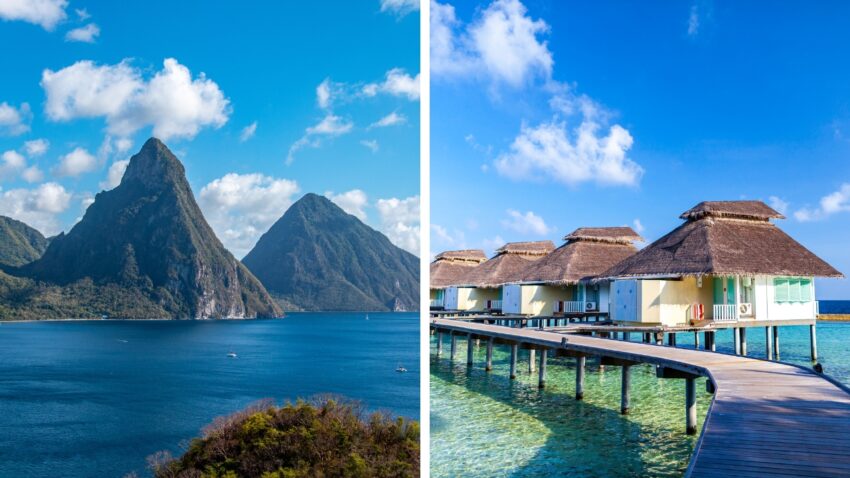
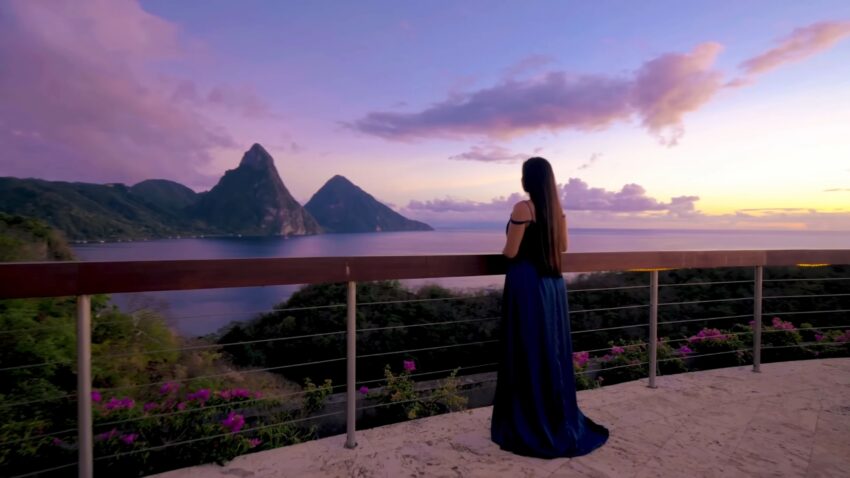
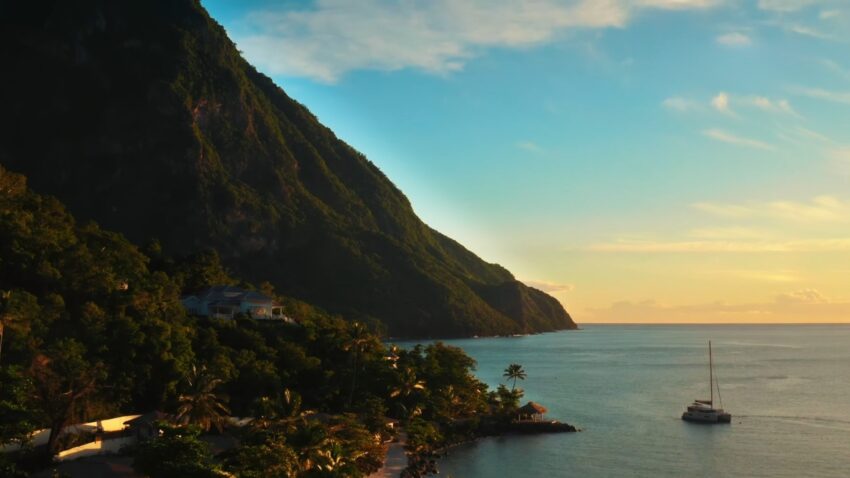
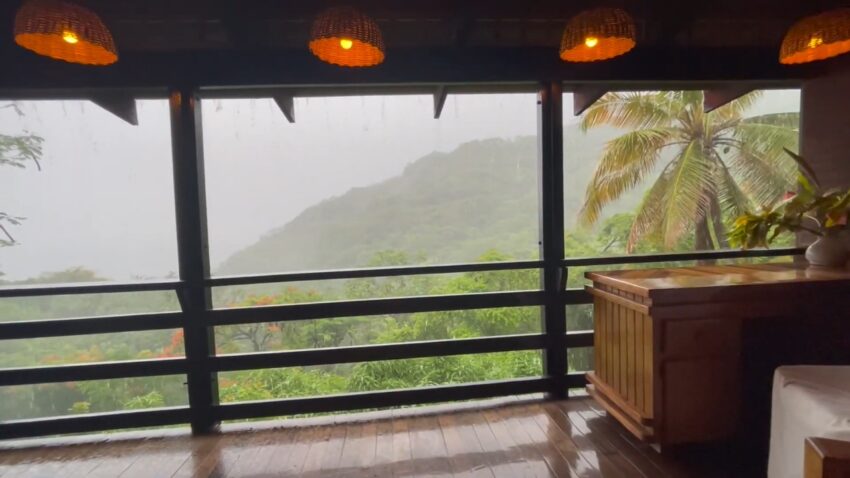
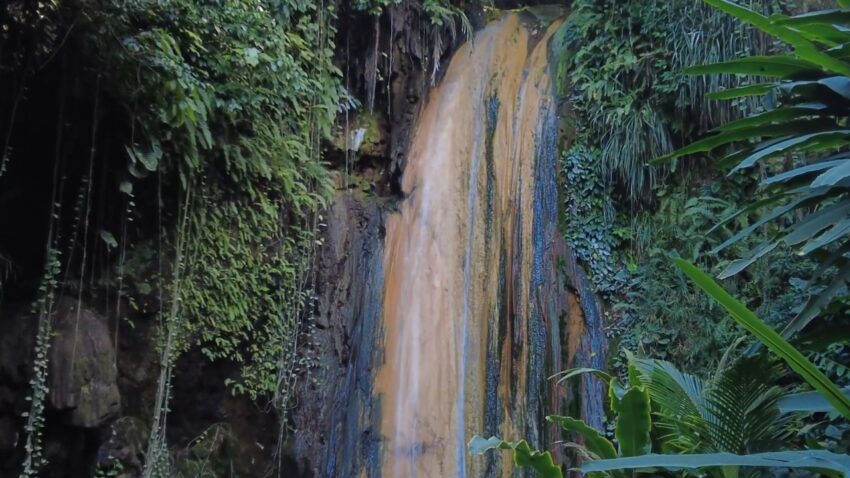
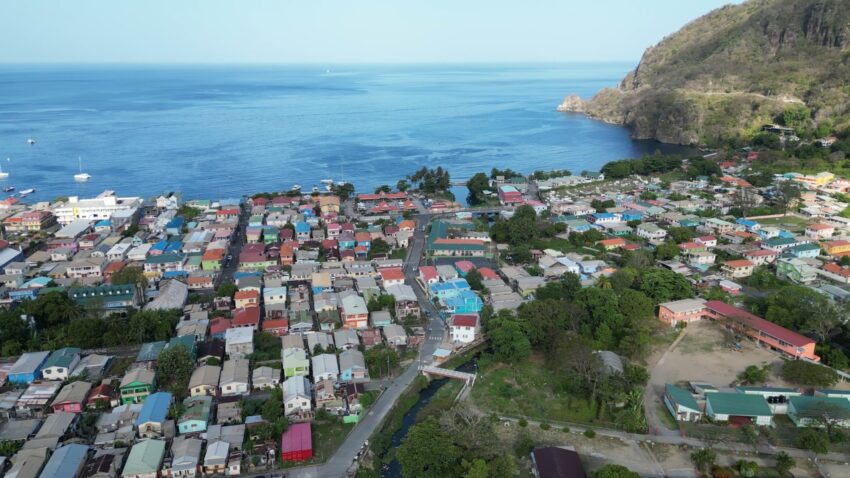
Direct hurricane hits are uncommon because St. Lucia sits farther south than many Caribbean islands. Tropical storms, heavy showers, and travel delays are still possible. September and October can work for deal-seekers, resort-focused visitors, and highly flexible travelers. Travel insurance, flexible bookings, and backup plans matter most during these months. Best fit: travelers who want the cheapest possible trip and can adjust plans around rain, humidity, and possible closures. November is one of the most balanced off-season months. Weather begins improving as the dry season gets closer, while prices and crowds may still sit below winter levels. November often brings increasing sunshine, low crowds, and low-to-moderate prices. Rain is still possible, but conditions tend to feel more manageable than in September or October. Late April through May and November are often recommended for travelers who want good weather, reasonable prices, and manageable crowds. November is especially useful for visitors who want green scenery without the highest storm-season risk. Best fit: travelers who want value, improving weather, lighter crowds, and a calmer pre-winter trip. Cost is the clearest reason to consider St. Lucia outside peak winter travel. Once demand drops, hotels, flights, tours, and vacation packages often become easier to book at lower rates. September through November is often one of the best budget periods, with some of the lowest prices across a trip. May, June, and November also offer strong value because they balance better weather, fewer people, and lower prices. Resorts may run seasonal promotions, package deals, or added-value offers during slower months. Last-minute availability can also be easier, especially for travelers with flexible dates. Budget travelers may be able to book a resort, villa, room category, or experience that costs much more in winter. Direct hotel bookings can also sometimes help with better rates, upgrades, resort credits, or more flexible terms. Off-season savings can change the trip. Money saved on rooms and flights can go toward private transfers, spa treatments, guided hikes, boat trips, or longer stays. Rain changes St. Lucia’s appearance in a major way. Rainforests look brighter, hills near Soufrière turn greener, and waterfalls often carry more water after showers. July through November is when the island is often at its greenest. Rainforests and waterfalls become more vibrant during wetter months, which can make nature-focused travel more rewarding. St. Lucia is known for rainforests, volcanic scenery, beaches, waterfalls, and the Pitons. Off-season rain adds movement and color to those places instead of only causing inconvenience. Photography can also improve during wetter months. May through November can bring greener scenery, dramatic clouds, and fewer tourists in the frame. For nature lovers, rain can become part of the reason to visit. Short showers can leave behind misty hills, fuller waterfalls, and fresher air. Crowds affect how a trip feels. During off-season months, beaches, restaurants, viewpoints, gardens, mud baths, and hiking areas often feel calmer and easier to enjoy. May and June work well for travelers who want a quieter atmosphere after peak season. July through November can feel even more peaceful at many attractions, especially outside Carnival weeks. Lower visitor numbers can also create more chances to talk with locals. At the same time, crime rate plummets during that period. Markets, small restaurants, village areas, and street events often feel less tourist-heavy during slower months. July and August may still bring moderate crowds because of Carnival and European summer family travel. September and October usually bring the quietest conditions, making them better for travelers who want space and can accept more weather risk. Off-season weather in St. Lucia is mixed, not automatically bad. A rainy forecast can still include hours of sunshine, especially earlier in the day. May and June rains often arrive in short, refreshing bursts. July through November overlaps with the rainy season and the Atlantic hurricane season, so conditions become less predictable. Many rainy days still allow time for beaches, pools, sightseeing, and meals outdoors. Morning plans are useful because showers are more common later in the day. Common off-season weather patterns include: July through October needs extra planning because hurricane season overlaps with wetter months. September and October require the most flexibility because showers, humidity, rough seas, mosquitoes, and weather-related changes are more likely. Smart planning matters more than fear. Travelers should book flexible options, buy travel insurance for wetter months, schedule outdoor activities early, and keep rainy-afternoon plans ready. Off-season activities work best when travelers match plans to the weather. Mornings are better for outdoor activities, while rainy afternoons can shift toward wellness, long meals, markets, or resort time. Rainy-season St. Lucia is excellent for travelers who care about natural scenery. Diamond Falls Botanical Gardens can come alive during wetter months, with blooming flowers and tropical plants looking fresh after rain. Rainforests, waterfalls, and Piton views also gain color during off-season months. Gros Piton and Petit Piton hikes can be especially rewarding during quieter May-to-June conditions, as long as trail conditions are safe. Rainy afternoons can fit spa and wellness plans well. Sulphur Springs is one of St. Lucia’s best-known stops, often described as the world’s only drive-in volcano. Visitors can take a therapeutic mud bath and learn about volcanic history. Spa treatments, covered terraces, quiet pools, long lunches, and resort time also fit the off-season pace. Lower crowds can make these slower activities feel more relaxing than they might during peak months. Wellness-focused travelers may benefit most by keeping afternoons open. A flexible schedule makes it easier to enjoy sunshine when it appears and relax indoors when rain arrives. Off-season, St. Lucia has more cultural activity than many travelers expect. Early May brings St. Lucia Jazz & Arts Festival, while July brings Carnival with parades, costumes, calypso competitions, music, dancing, and street events. Today! join us for Jounen Kwéyòl (Creole Day). Visit local towns like Dennery, Soufrière, and Anse La Raye for celebrations with traditional music, dance, food, and crafts and immerse yourself in Saint Lucian culture. 🇱🇨 #SaintLucia pic.twitter.com/yG6bUzAAoG — Travel Saint Lucia (@Travel_StLucia) October 27, 2024 August through October, add La Rose and La Marguerite festivals. Late October brings Creole Day, with local food, language, music, and cultural traditions. Gros Islet Street Party also runs every Friday and is known for local music, dancing, St. Lucian cuisine, and a lively street setting. Adventure is still possible in the off-season, but conditions should guide each day. Hiking is usually best early, before heat and afternoon showers build. Snorkeling and diving depend on sea conditions. December through May is generally better for calm seas and underwater visibility, so late spring is stronger for water activities than the rainier core low-season months. Scenic drives around Soufrière and the west coast can be rewarding during greener months. Waterfalls, mountain roads, and coastal viewpoints often look more dramatic after rainfall. October and November can also bring whale-watching opportunities. Tours may offer chances to see humpback and sperm whales moving through the region. Accommodation choice matters during slower months. A good base can reduce travel time, improve access to restaurants, and make rainy-day plans easier. Soufrière is one of the best bases for nature-focused travelers. Piton views, waterfalls, Sulphur Springs, botanical gardens, and scenic hills make it a strong choice for romantic trips and outdoor plans. Staying near Soufrière also reduces travel time to many major natural attractions. That can help during rainy months, when long transfers feel less convenient. Best for: Piton views, waterfalls, romance, wellness, photography, and nature-heavy trips. Rodney Bay fits travelers who want restaurants, nightlife, marina access, beaches, and convenience. During slower months, having more dining and entertainment nearby can make the trip easier. Visitors who do not want a resort-only stay may prefer Rodney Bay because it offers bars, shops, boat trips, casual dining, and beach access in one area. Best for: restaurants, nightlife, marina access, convenience, and travelers who want more activity nearby. Cap Estate suits travelers who want privacy, luxury, and a quieter resort-centered stay. Villas, larger resorts, golf access, and peaceful surroundings make it comfortable for slower off-season travel. Lower off-season prices may also make upscale stays more accessible. Private terraces, quiet pools, and spa-focused days fit the area well. Best for: privacy, luxury, villas, resort stays, and peaceful surroundings. Vieux Fort is convenient for travelers who want easy access to Hewanorra International Airport and quieter southern stays. Atlantic coast beaches and a less tourist-heavy setting give the area a calmer feel. Airport proximity can matter during rainy months, especially for short trips or travelers who want to avoid long transfers after arrival. Best for: airport access, quieter southern stays, Atlantic coast beaches, and practical travel logistics. Before booking, travelers should confirm which restaurants, tours, and resort facilities will be open. Some hotels, restaurants, tour operators, and attractions may close temporarily, renovate, or reduce operations during slower months. Off-season St. Lucia comes with a clear trade-off. The weather is less predictable, but prices drop, crowds thin out, hills turn greener, waterfalls grow fuller, and the island feels slower. May, June, and November work best for overall value. July works best for Carnival and cultural energy. September and October bring the lowest prices, but they require flexible expectations. St. Lucia is beautiful year-round, but off-season travel reveals its quieter, greener, more relaxed side.
November – Underrated Transition Month
Lower Prices – Biggest Practical Advantage
Greener Hills, Fuller Waterfalls, and More Dramatic Scenery
Fewer Crowds – A Quieter, Slower St. Lucia
Weather Reality
What to Do in St. Lucia During the Off-Season
Nature and Scenery
Wellness and Relaxation
Culture
Adventure
Where to Stay for an Off-Season Trip
Soufrière
Rodney Bay
Cap Estate
Vieux Fort
Summary