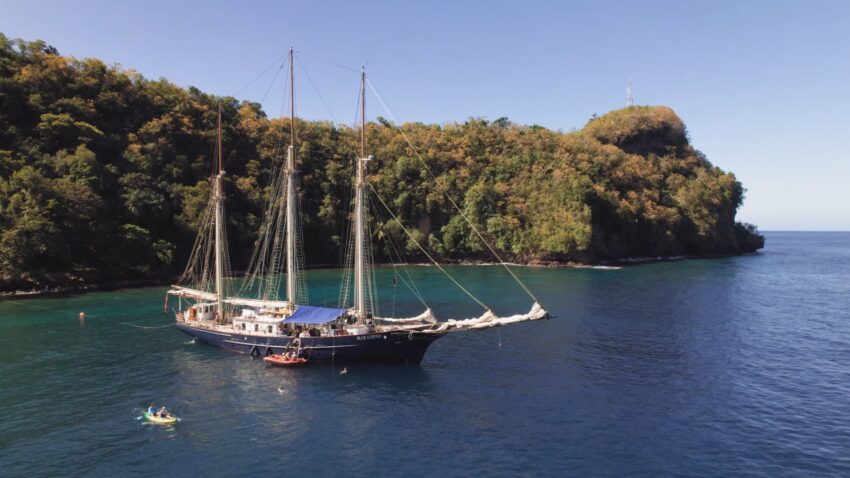
St. Lucia allows bareboat sailing without a formal skipper’s license, but that does not mean anyone can charter a yacht with no experience.
Legal rules and charter approval are not the same thing. Local law may not demand a license, yet charter operators still need proof that the skipper and crew can handle the boat safely.
For bareboat sailors, St. Lucia suits confident crews rather than complete beginners. Sunsail and The Moorings classify St. Lucia as a Level 3 sailing area.
A rating like that points to stronger conditions, longer passages, open-water sailing, remote anchorages, and broader tidal ranges.
Crews planning a bareboat trip should arrive ready for active sailing, not a low-pressure first lesson.
Do You Need a Skipper’s License in St. Lucia?
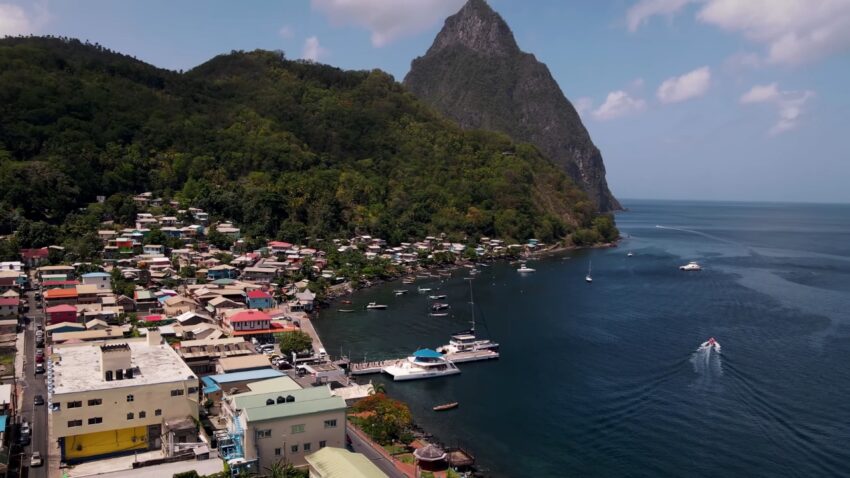
No official skipper’s license is required for cruising in St. Lucia. A bareboat charter can be approved without a government-issued sailing license, as long as the charter company accepts the skipper’s experience.
Proof of competence still matters. Carrying any sailing certification you have is recommended, because Customs or Port Police may ask for evidence that the skipper can safely operate the yacht.
Certification is not listed as a legal requirement, but having it on hand can make official checks easier.
Charter paperwork also plays a major role. A formal sailing or power license is not mandatory with major charter operators, but a completed sailing or power resume is required.
Some charter companies may ask for a qualification, while others accept a detailed sailing resume. In practice, no license means no qualifications. Experience has to be proven before the boat is released. #STLUCIA: This achievement marks a milestone for both Leonce and the island’s marine tourism sector, as it places him among a select group of professionals that get to train and assess Sea TREK guides from all over the world. — CaribbeanNewsNetwork (@caribbeannewsuk) June 16, 2026 St. Lucia is treated as a Level 3 sailing destination by major bareboat charter companies. A Level 3 rating sets a higher bar than easy coastal cruising areas. Skippers should have at least 20 days or 400 miles as skipper on an equivalent-size yacht before taking charge of a bareboat in this region. Longer passages can also demand better planning, stronger crew coordination, and greater confidence under sail. Handling a yacht in these conditions is different than motoring between short marina stops in calm weather. A skipper should be comfortable reefing early, planning safe approaches, reading charts, using pilot books, and adjusting plans as wind or sea state changes. Crew members should also know basic line handling, mooring procedures, lookout duties, and safe movement on deck. Beginners can still enjoy St. Lucia, but a skippered charter is usually the better choice for anyone unsure about boat handling, navigation, anchoring, or crew management. Bareboat sailing here fits sailors who already have solid command experience on yachts of a similar size. A sailing resume may be required for both the skipper and first mate before arrival. Charter companies use that resume to decide if the crew has enough experience to take the yacht without a professional skipper. Resume details should be accurate and practical. Operators want to see that the person named as skipper can manage the vessel, make safe decisions, and protect the crew and boat. Base staff may still assess the charterer on arrival. If staff are not confident in the charterer’s ability, they may arrange for a company skipper to travel with the crew at the charterer’s expense. That decision is made for safety and can affect the cost and style of the trip. Solo sailing is not allowed. At least two people must be on board. A capable second person matters because docking, mooring, sail changes, lookout duties, and emergency response are safer with more than one person available. Most bareboat charters begin at Rodney Bay Marina, the main charter base used by major operators in St. Lucia. Rodney Bay is a practical starting point because it has the amenities crews need before departure. Rodney Bay Marina has several practical facilities for charter preparation: Crews can stock the boat, complete paperwork, attend briefings, and settle final logistics before leaving the marina. Rodney Bay Marina also gives sailors a useful position for a coastal route along St. Lucia. Castries is about 30 minutes away, and Soufrière is about 1 hour 40 minutes away by road. Airport access is manageable, but transfer times vary by airport and routing: St. Lucia offers a simple coastal route with several well-known sailing stops. Good options include Rodney Bay, Pigeon Island, Marigot Bay, Soufrière, the Pitons, Piton Bay, and Vieux-Fort. Rodney Bay works well as the starting point and first provisioning base. Crews can use the marina amenities, attend charter briefings, and prepare the yacht before sailing south along the coast. Pigeon Island is close to Rodney Bay and can be a convenient early stop. It gives crews a short first leg, which can help everyone settle into the boat before longer sailing days. Marigot Bay is one of the major coastal stops on the island. Sailors often include it as a break between Rodney Bay and the south coast. Its position makes it useful for a relaxed overnight stop or a mid-route pause. Soufrière is a key stop for crews heading toward the Pitons. Around Soufrière, anchoring is strictly forbidden in the area managed by the Soufrière Marine Management Area. Moorings are supplied, so crews should plan to use mooring balls rather than drop anchor. Among the most recognized natural sights along the St. Lucia coast, the Pitons are a major part of many sailing plans. Piton Bay is also listed among the top anchoring areas around St. Lucia. Crews should still check local instructions during the chart briefing, because mooring rules and protected-area rules can affect where the boat may stop. Vieux-Fort sits near the southern end of St. Lucia and can be included by crews with enough time, experience, and suitable weather. Longer legs in this direction call for careful route planning and confidence with Level 3 conditions. Night sailing is not allowed on these bareboat charters. Charterers must be moored at least one hour before sunset. Day planning should account for that rule, especially when sailing longer legs or when wind and sea conditions slow progress. Mooring rules also matter. Some areas require mooring balls rather than anchoring, especially around Soufrière. Anchoring in restricted marine-management areas can damage protected seabeds and may violate local rules, so crews should follow the base briefing carefully. Charts and pilot books are issued during the chart briefing. Skippers should use that briefing to confirm local hazards, permitted cruising areas, mooring zones, customs procedures, and restrictions that apply during the charter dates. International routing adds another planning step. Crews planning to sail outside St. Lucia need to build clearance time and fees into the schedule. Local costs should also be part of the budget. Common charges can include: Budgeting for these costs helps avoid surprises at the base, at mooring fields, and during clearance stops. Crews should carry suitable payment options and confirm accepted currency during the pre-departure briefing. Charter companies look for proof that the skipper and crew can handle the yacht, manage Level 3 conditions, and follow local sailing rules. St. Lucia is best for confident sailors who can manage stronger winds, longer passages, open-water stretches, and remote anchorages. Beginners or uncertain crews should book a skippered charter, enjoy the coast safely, and build experience before taking charge of a bareboat.
Experience Needed to Charter Bareboat
Sailing Resume and Crew Requirements
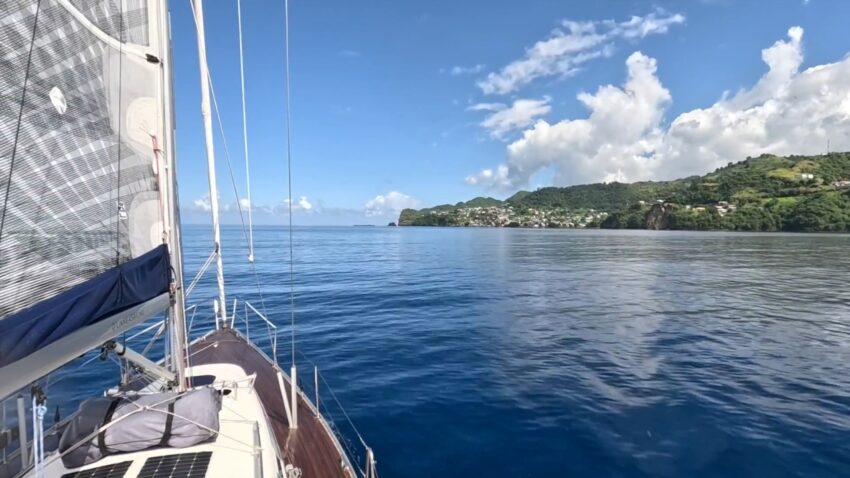
Where to Start Your St. Lucia Sailing Trip
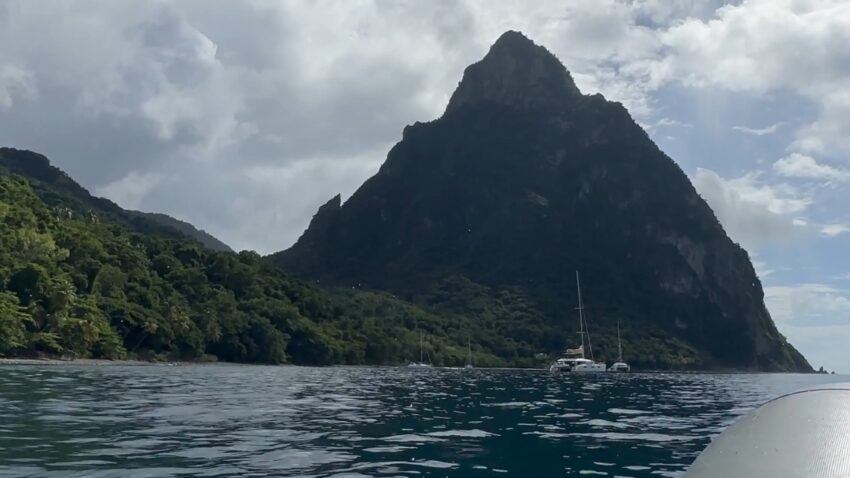
Best Coastal Stops
Important Sailing Rules
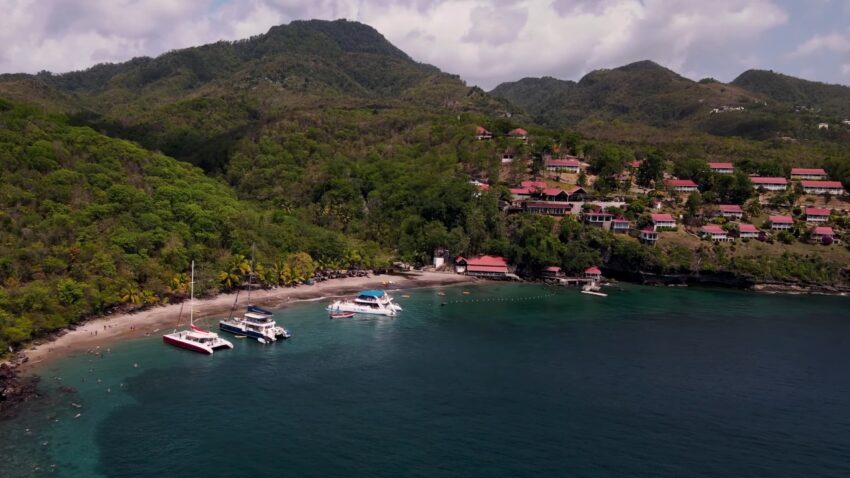
Cost item
Estimated cost
St. Lucia cruising permit
USD 7.50 to USD 20
St. Lucia mooring fees and taxes
USD 12 to USD 16
Some overnight mooring facilities
Starting around USD 20 per night
Estimated overnight mooring costs
Around £10 per night
Port and customs taxes
About £1.50 per person per day
Cruising permits
Around £10 on average, depending on vessel size
Closing Thoughts
St. Lucia can be sailed without a skipper’s license, but bareboat approval still depends on genuine sailing experience.