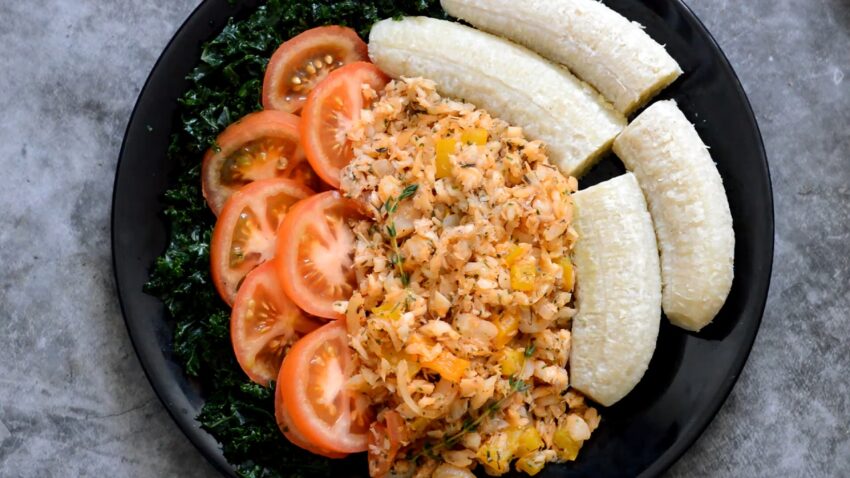
Green fig and saltfish is the dish many visitors hear about before they know what a green fig is. The name can confuse first-timers, but the plate is simple: boiled green bananas served with seasoned saltfish, usually cooked with onion, garlic, peppers, herbs, oil and sometimes tomato.
In Saint Lucia, green fig does not mean the sweet fruit. It means unripe banana. That one detail explains a lot about the island. Bananas shaped rural life, farm income, home cooking and export history for generations, while saltfish came through older Atlantic trade routes that changed Caribbean kitchens long before tourism became the main story.
The Saint Lucia Tourism Authority names green fig and saltfish as the island’s national dish and describes it as boiled unripe bananas served with salt-cured, boiled or flaked cod. It is filling, affordable, easy to stretch for a family table and still common enough that visitors can find it in local restaurants, hotel menus, food fairs and home kitchens.
What Green Fig And Saltfish Actually Is
Green fig and saltfish is built around contrast. The banana is firm, mild and starchy. The saltfish brings salinity, chew and depth. The seasoning does the rest.
A standard plate starts with green bananas boiled until tender. The skin is usually slit before boiling, then removed after cooking. Saltfish is soaked or boiled to reduce excess salt, then flaked and cooked down with onion, garlic, sweet pepper, scallion, thyme, parsley, black pepper and oil. Many cooks add tomato, hot pepper or seasoning peppers. Some versions are dry and sautéed. Others carry more sauce.
The dish is usually eaten as breakfast or lunch, but it also appears at cultural events, hotel buffets and weekend tables. It can come with cucumber, avocado, breadfruit, plantain, bakes or callaloo, depending on the cook, the household and the place serving it.
Why Green Fig Means Banana In Saint Lucia
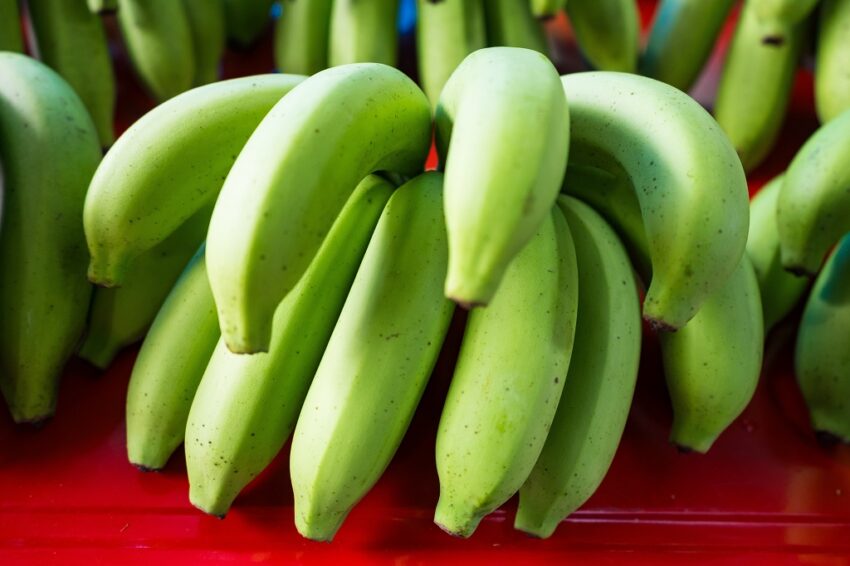
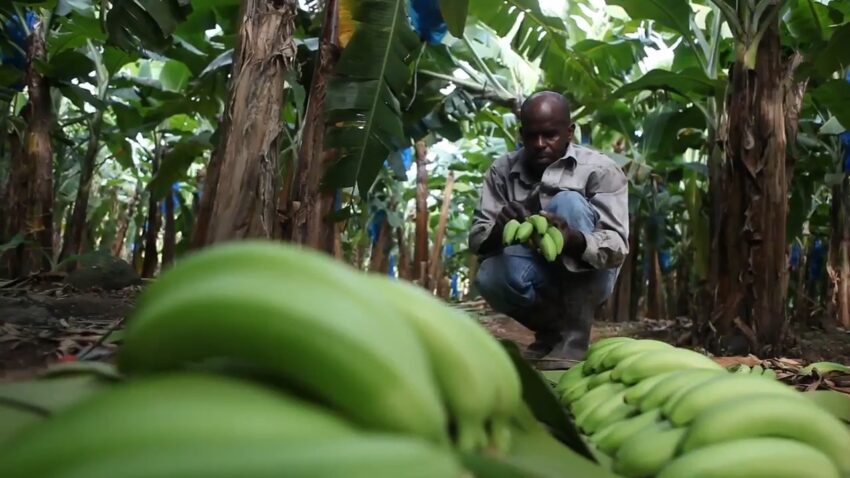
Green figs are unripe bananas, harvested before they sweeten. They are treated more like a ground provision or starchy side than a fruit.
Green bananas work well in the dish because they hold shape after boiling and take seasoning well. They give the plate body without competing with the fish. That balance is the reason the dish can feel plain at first glance but satisfying once eaten properly seasoned.
How Two Everyday Ingredients Became A National Dish
Green fig and saltfish came from practical cooking before it became a national symbol. The ingredients were not chosen for luxury. They were available, durable and useful.
Bananas grew well in Saint Lucia’s climate and later became central to the island economy. Saltfish, most commonly salted cod, could travel long distances without refrigeration. Together, they made a meal that could survive hard work, low cash income and limited storage.
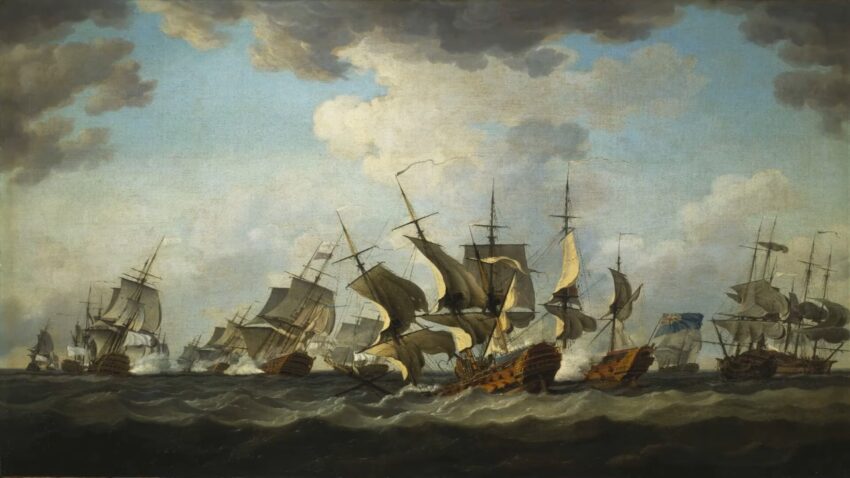
The history also carries the weight of colonialism and slavery. Salted fish became common in many Caribbean islands because it was cheap, preserved and easy to ship in bulk. Enslaved and working-class communities did what Caribbean kitchens have always done: they took limited ingredients and turned them into food with skill, seasoning and memory.
The Banana Side Of The Story
Bananas did not only feed households. They became one of the defining crops of modern Saint Lucia. The Organization of American States notes that the banana industry expanded after the collapse of sugar in the early 1960s and that bananas made up nearly 90% of Saint Lucia’s total exports in 1965.
The Saint Lucia Central Statistical Office tracks banana production, exports and revenue from 1966 to 2023, showing how sharply the industry changed over time. The data shows production above 135,000 tonnes in several years during the late 1980s and early 1990s, before a long decline in later decades.
That economic history helps explain why the banana carries more meaning than a side dish. For many families, bananas were work, land, school fees, household money and daily food. Green fig and saltfish keeps that farm history on the plate.
The Saltfish Side Of The Story
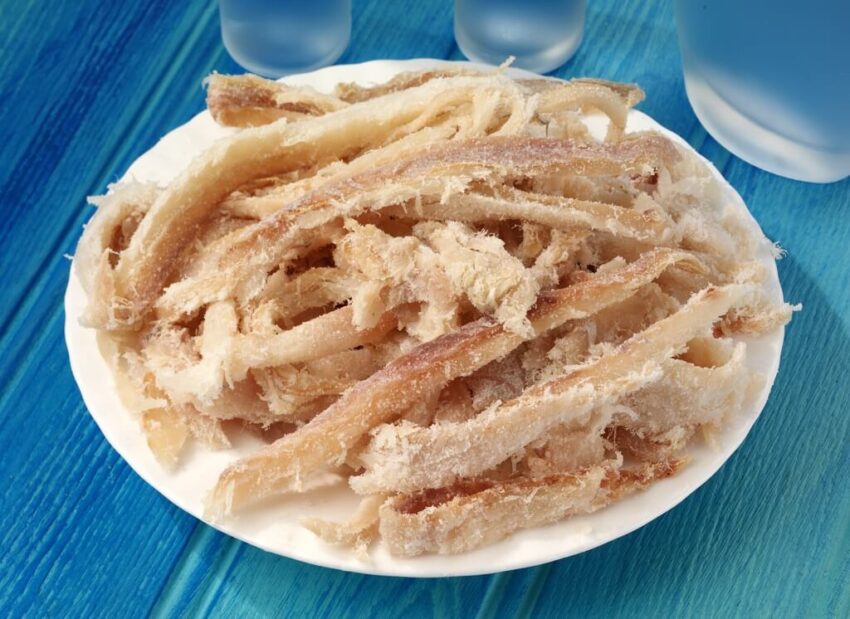
Saltfish speaks to another part of the Caribbean story. Salted cod was part of Atlantic trade and plantation-era food systems because preservation made it easy to transport. It could be stored, rationed and cooked in many ways.
Caribbean cooks gave saltfish its identity. Instead of leaving it as a bare ration, they soaked it, flaked it, seasoned it and matched it with local starches, vegetables and peppers. That same pattern appears in several regional dishes, from Jamaica’s ackee and saltfish to bakes and saltfish elsewhere in the Eastern Caribbean.
Saint Lucia’s version found its own footing because green bananas were so deeply tied to the island. The pairing was not random. It came from what people had, what lasted, what filled a stomach and what local cooks could make taste good.
What Goes Into Green Fig And Saltfish?
Recipes change from kitchen to kitchen, but the foundation stays familiar. A hotel version may look polished, while a home version may be heavier on pepper, oil or herbs. The best versions do not hide the saltfish or overcook the banana.
| Ingredient | Role In The Dish | What To Know |
|---|---|---|
| Green banana | Main starch | Boiled until tender, then peeled and served whole, sliced or broken into pieces. |
| Saltfish | Main protein | Usually salted cod, soaked or boiled first so the final dish is seasoned rather than harshly salty. |
| Onion and garlic | Base flavor | Cooked in oil before the flaked fish is added. |
| Sweet pepper and hot pepper | Freshness and heat | Heat level depends on the cook. Some versions stay mild, while others carry a sharper kick. |
| Thyme, scallion and parsley | Herbal seasoning | Gives the dish its local flavor profile without making it heavy. |
| Tomato | Moisture and sweetness | Used in many versions, though not every cook adds it. |
| Oil | Cooking medium | Coconut oil or vegetable oil may be used, depending on the kitchen. |
How Saint Lucians Usually Eat It
Green fig and saltfish is not a delicate tasting-menu plate. It is practical food. It works early in the day because it fills you without needing much else. It also travels well enough for buffets, gatherings and local events.
At home, the dish may be served plainly, with the saltfish spooned over or beside the green bananas. In restaurants, it may come with salad, avocado, cucumber or plantain. At hotels, it may be softened for visitors who are less used to saltfish, with less pepper and a cleaner presentation.
Travelers should not judge the dish from one plate. A dry version, a saucier version, a breakfast buffet version and a home-style restaurant version can feel very different. The best test is balance: the banana should be tender, the fish should be savory without being too salty, and the seasoning should carry the dish.
Why It Became A Symbol Of Saint Lucia
National dishes usually last because they tell a story people recognize. Green fig and saltfish does that without needing much explanation. It connects land and sea, farm and trade, hardship and comfort, ordinary mornings and national pride.
It also avoids the trap of being food made only for visitors. Many tourism dishes become staged. Green fig and saltfish still belongs to households, casual restaurants and community tables. Visitors can eat it, but they are stepping into something that existed before they arrived.
As we already covered in our guide to St. Lucia on a smaller daily budget, local food is one of the easiest ways to experience the island without turning every meal into a resort bill. Green fig and saltfish fits that idea perfectly because it is filling, local and more meaningful than a generic tourist breakfast.
Where Visitors Should Try It
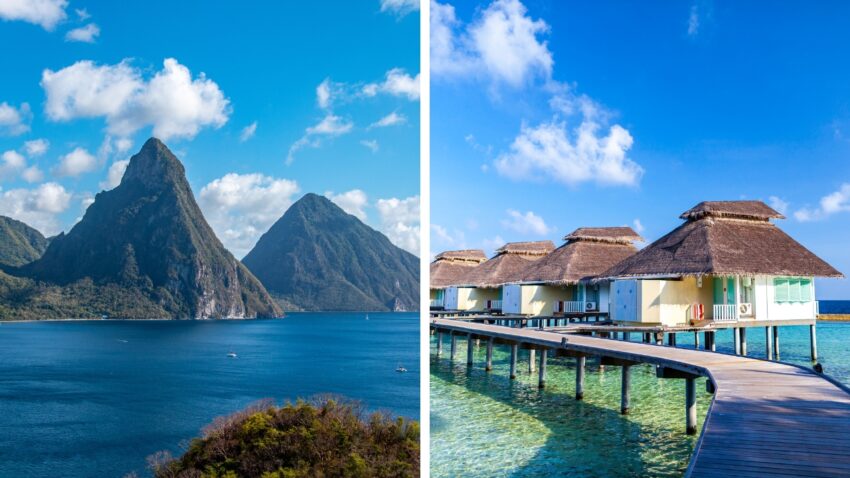
The best place to try green fig and saltfish depends on the kind of trip. In Castries, look for local breakfast and lunch spots rather than only waterfront tourist menus. In Soufrière, the dish pairs naturally with a morning built around Piton views, Sulphur Springs or a beach stop.
Our guide to a 48-hour weekend in Soufrière focuses on the southwest corner of the island, where local meals can easily become part of the day between Tet Paul, Diamond Falls, Sugar Beach and the waterfront. A plate of green fig and saltfish before a beach afternoon makes more sense than squeezing in another rushed attraction.
Travelers staying near resort areas should still try to eat one version away from the resort. Hotel versions can be good, but a small local kitchen often gives a clearer sense of how Saint Lucians actually know the dish.
How To Order It Without Being Surprised
Ask whether the saltfish is spicy, whether the green fig is served whole or sliced, and what comes with the plate. People sensitive to salt should ask whether the fish has been soaked well. A properly prepared version should taste seasoned, not punishingly salty.
Green fig can be firm compared with ripe banana, so first-time visitors should not expect sweetness. The point is the contrast between starchy banana and seasoned fish.
What To Eat With Green Fig And Saltfish
The dish can stand alone, but the sides change the meal. Fried plantain adds sweetness. Cucumber cools the salt and pepper. Avocado softens the plate. Breadfruit makes it heavier. Bakes turn it into a bigger breakfast. Callaloo gives it a greener, more rounded feel.
| Side | Why It Works | Best For |
|---|---|---|
| Fried plantain | Adds sweetness against the saltfish | First-time visitors who want a softer flavor balance |
| Cucumber or salad | Cools the salt, oil and pepper | Warm days and breakfast plates |
| Avocado | Adds creaminess | A richer lunch plate |
| Bakes | Turns the meal into a bigger breakfast | Travelers with a long day ahead |
| Callaloo | Adds greens and depth | People who want a more complete local plate |
| Breadfruit | Adds another local starch | Heavier lunch or community-style meals |
Green Fig And Saltfish During Festivals And Cultural Events
Food becomes easier to understand during events because people eat it in public, not only at home. Green fig and saltfish appears naturally around cultural celebrations, hotel breakfast spreads, community activities and island food experiences.
Visitors coming for summer events can connect food with the wider cultural calendar. In our guide to Lucian Carnival 2026, we explained how July brings music, fetes, pageantry and street parades into the center of island life. A trip built around Carnival should not be only about parties. Local breakfast, small restaurants and traditional plates give the week more shape.
Green fig and saltfish also works for travelers who want Saint Lucia beyond the beach. Beaches and views are important, but food tells visitors how people lived with the land, the sea, imported goods and limited resources.
Why The Dish Still Feels Current
Green fig and saltfish survives because it is adaptable. It can be served at a family table, a hotel buffet, a roadside lunch spot, a cultural festival or a polished restaurant. Few dishes can move through all those settings without losing the core idea.
It also keeps the banana story alive at a time when the old export economy has changed. The Central Statistical Office data shows how far banana production and revenue have moved from the high-volume years. Yet the green banana still holds its place in Saint Lucian cooking.
That is what makes the dish useful for visitors. It does not only taste local. It explains local history in a way a map or viewpoint cannot.
FAQ About Green Fig And Saltfish
Bottom Line
Green fig and saltfish became Saint Lucia’s national dish because it carries more than flavor. It brings together green bananas from the island’s agricultural life, saltfish from older Atlantic trade, and the seasoning style that Saint Lucian cooks made their own.
For visitors, it is one of the most useful dishes to try early in a trip. It explains the island through food: practical, filling, tied to history and still alive in everyday kitchens.