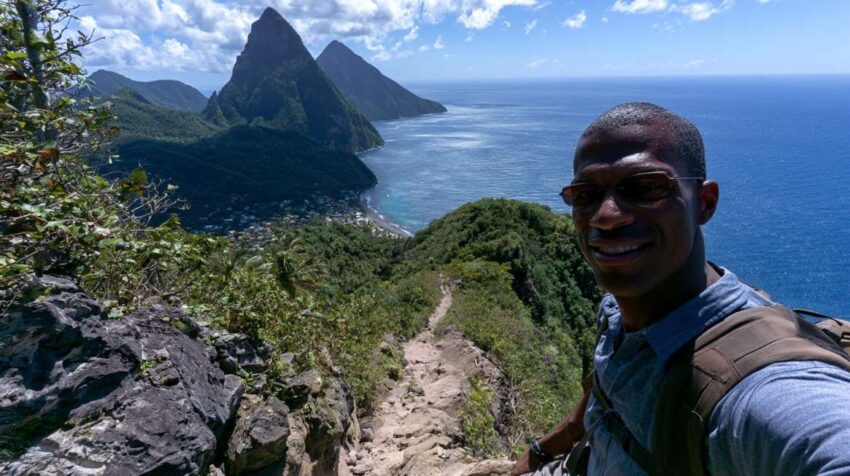
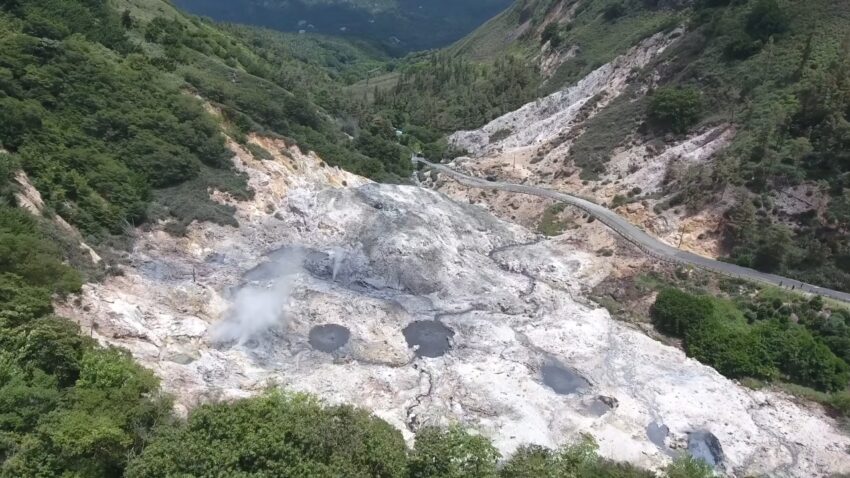
St. Lucia has a volcano you can drive into, which sounds like something made for a disaster movie. In reality, no one is steering past flowing lava, rumbling through a fiery cone, or parking beside a red-hot crater.
Visitors enter a collapsed volcanic crater area where steam rises, sulfur hangs in the air, mud bubbles, and hot springs feed warm mineral pools.
Known as Sulphur Springs, it is strange, steamy, messy, and surprisingly easy to visit.
Expect less Hollywood danger and more geothermal spa day with a strong rotten-egg smell.
Anyone picturing lava may feel let down, but anyone curious about geothermal activity in a tropical setting will likely find it memorable.
What St. Lucia’s Drive-In Volcano Actually Is
Sulphur Springs sits just outside Soufrière in southern St. Lucia. Its formal volcanic name is Qualibou, and Sulphur Springs formed at a weak spot inside a large collapsed volcanic crater.
Qualibou is commonly described as dormant, although monitoring continues because it may still be active. Its last known eruption is often placed in the 1700s, with 1766 often given as an approximate date.
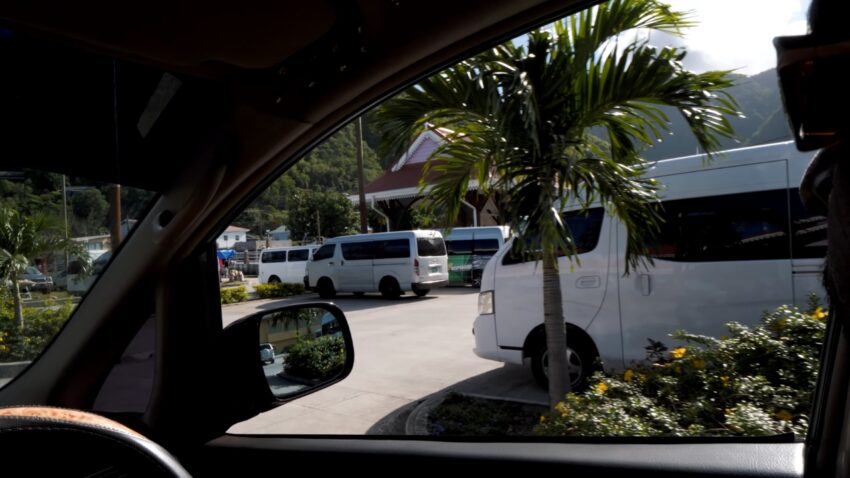
“Drive-in volcano” is a catchy phrase, but it is not a gimmick. A smooth road leads into the crater area, allowing visitors to arrive by car, park nearby, and continue on foot through the geothermal zone.
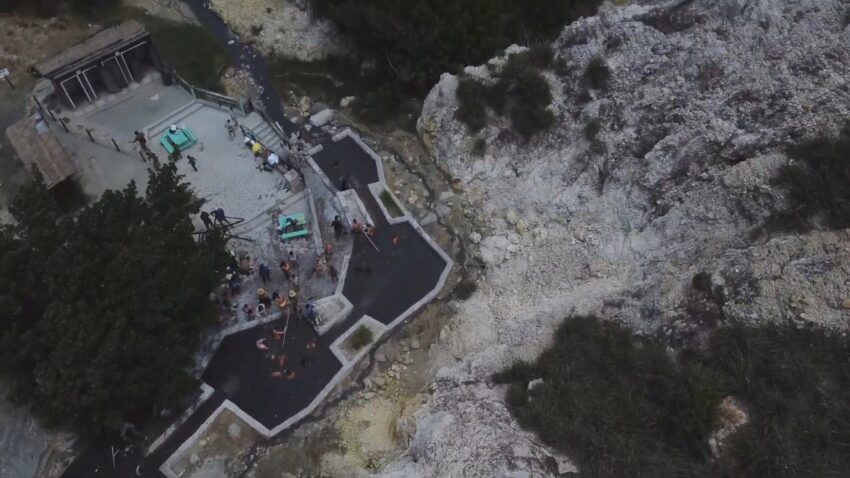
Main features include steam vents, fumaroles, bubbling mud pools, hot mineral baths, gray-black volcanic mud, and a sulfur smell that announces the site before many people even see it. Sulfur usually hits first. That rotten-egg smell can be strong, especially near vents and pools where hot gases rise through cracks and openings in the ground. Steam drifts up out of the pits. Mud pops and bubbles in gray, brown, and black pools. Mineral-stained earth gives the area a barren, tawny, almost otherworldly look. Green rainforest surrounds much of Soufrière, so the contrast can feel dramatic. One minute, St. Lucia looks lush and tropical. Minutes later, the ground appears scorched, stained, and alive with heat. Visitors hoping for red lava, a cone-shaped peak, or a summit climb may need to adjust expectations. Instead of a classic volcano scene, Sulphur Springs offers a hollow of steam plumes, sulfur vents, hot water, and bubbling mud. Activity feels close, audible, and slightly surreal. Bubbling pools and hissing vents make it clear that heat still moves beneath the surface. Most visits include a short, easy walk rather than a serious hike. Paths and viewing areas allow guests to look at bubbling pools, steam vents, hot springs, spitting geysers, and volcanic mud without needing much effort. Guides often explain how geothermal heat works in the area, why sulfur smells so strong, and why the ground can look so cracked and mineral-stained. After the viewing area, many visitors continue to the mud baths. Safety matters here. Earlier visitors could get much closer to the geothermal pits, but walkways, fences, and viewing platforms were added after a guide fell through the thin crust and suffered burns. Families should stay alert, especially with younger kids. Some sections can still feel exposed, and marked paths should be taken seriously. Hot water, steam, and thin ground are part of what makes the site fascinating, but they also require caution. Mud baths are often the most memorable part of a visit. Guests cover their skin in warm gray volcanic mud, wait for it to dry a little, then rinse off in naturally heated mineral pools. Mud feels thick, gray-brown, and messy. Pools feel warm and steamy, with a rustic setup rather than a luxury spa atmosphere. Expect simple facilities, shared spaces, and plenty of people laughing as they smear mud across their arms, faces, and shoulders. Pool temperatures can vary. Upper pools are usually hottest, while lower pools tend to feel cooler and more manageable. Basic showers are available after soaking. Wooden cubbies may be available for belongings, although valuables are best kept secure. Sulfur can stain swimwear and leave a smell that lingers after the visit, so old or dark swimwear is the smartest choice. Many locals and visitors believe the mud and hot springs can help skin feel smoother and soothe aches. Treat that as a popular belief, not a guaranteed health result. Sulphur Springs is worth visiting as long as expectations are realistic. No lava appears, the sulfur smell can be intense, facilities are basic, and the volcano walk itself is short. Crowds can build when tour groups arrive, especially during busy cruise or excursion periods. Travelers expecting huge geysers and massive geothermal drama may find the site modest. Value comes through access and hands-on geothermal activity. Few geothermal attractions in the Caribbean are so easy to reach. Being able to drive directly into a volcanic crater area, step out, see steam vents and bubbling mud, then soak in warm mud baths makes the experience feel unusual and hands-on. A visit also fits well into a Soufrière-area day trip. Many travelers pair it with the Pitons, waterfalls, beaches, or nearby viewpoints. Self-driving can work well for visitors who want flexibility, especially families. Tours and private drivers are also common, and they remove any need to handle roads or parking on your own. Kids may enjoy the mud baths because they are messy and playful. Walking areas are manageable for many families, but hot pools and exposed geothermal zones require close supervision. St. Lucia’s drive-in volcano is not a lava-filled thrill ride. It is a steamy, sulfur-scented geothermal experience inside a collapsed volcanic crater. Visitors can see bubbling mud, fumaroles, steam vents, sulfur springs, and hot mineral pools, then cover themselves in warm volcanic mud before rinsing off in heated baths. Short, accessible, strange, smelly, and messy all describe the visit well. For travelers who want something very different than beaches, rainforest views, and resort pools, Sulphur Springs is worth doing once.
What Arrival Feels Like
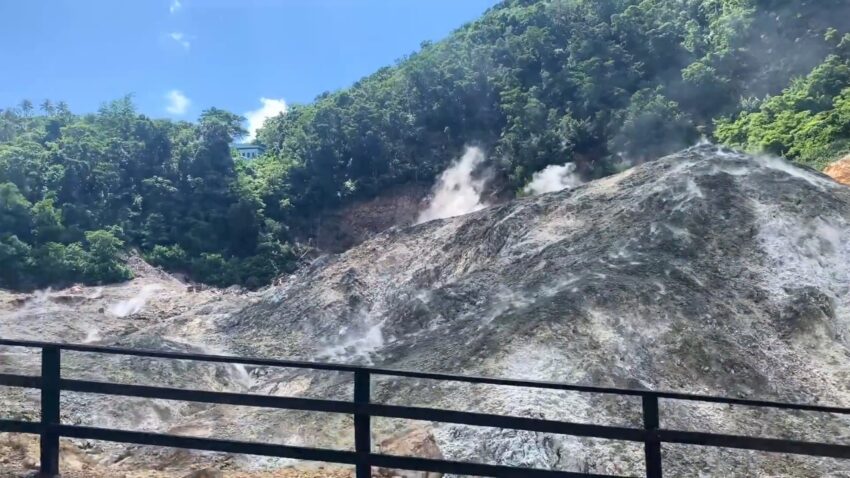
Volcano Walk and Geothermal Tour
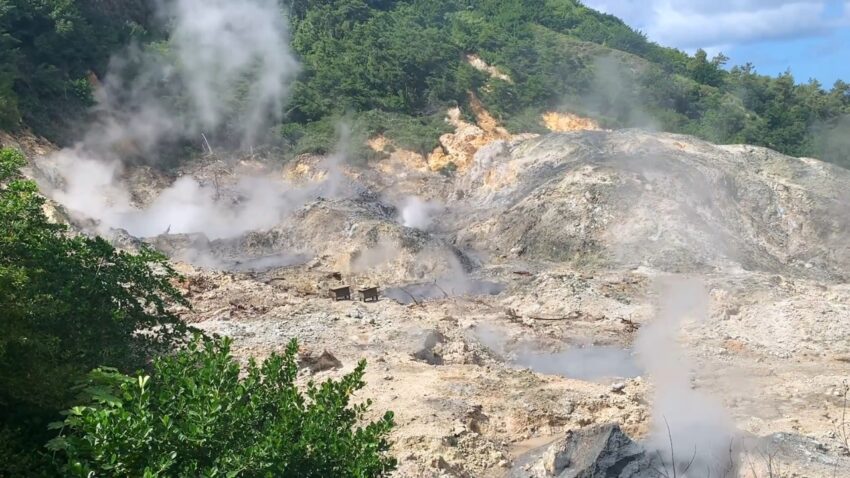
Mud Baths at Sulphur Springs
Is Sulphur Springs Worth Visiting?
Closing Thoughts