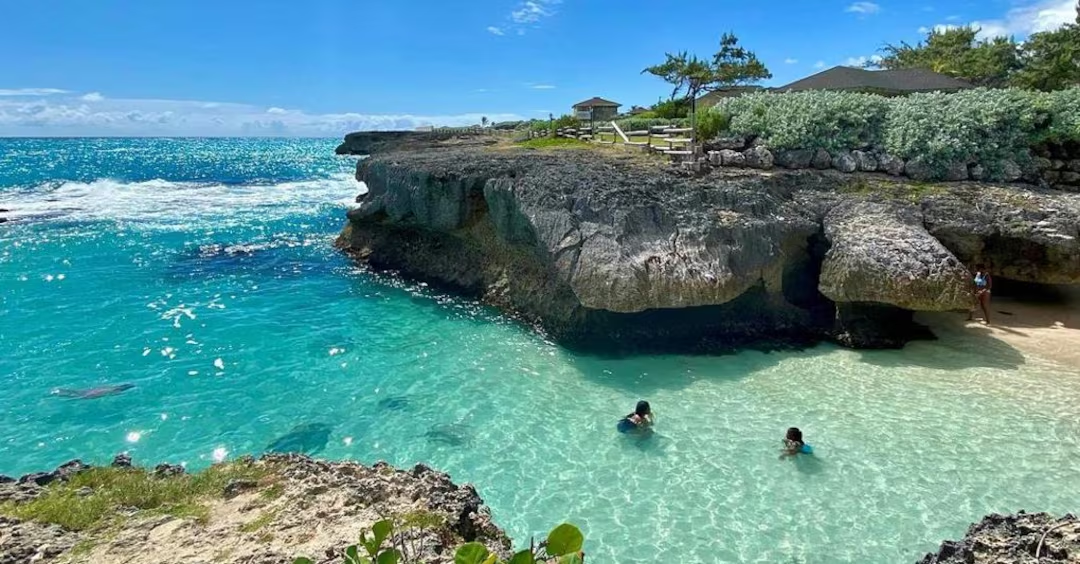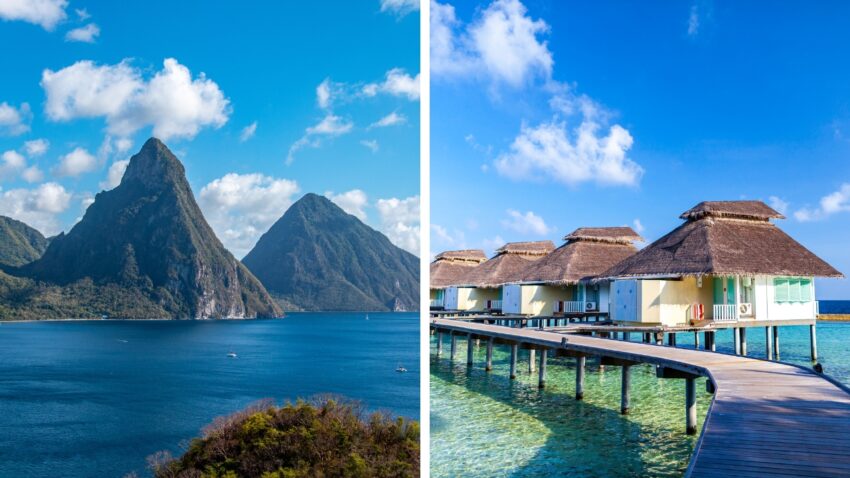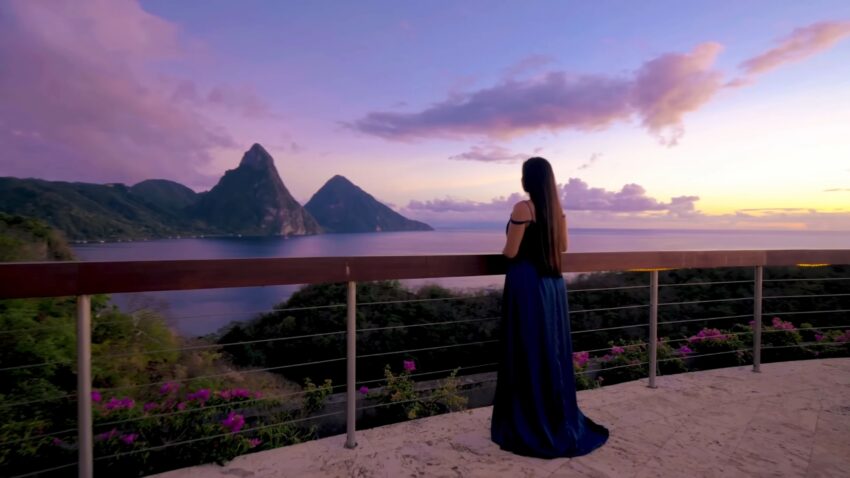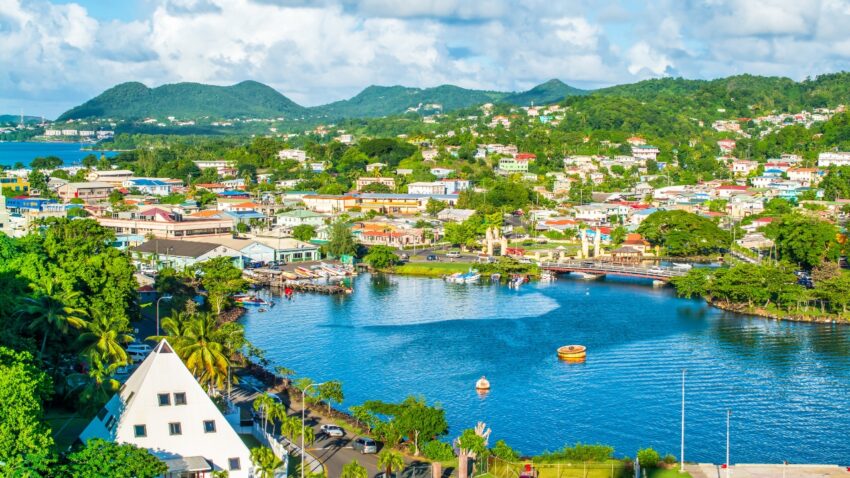
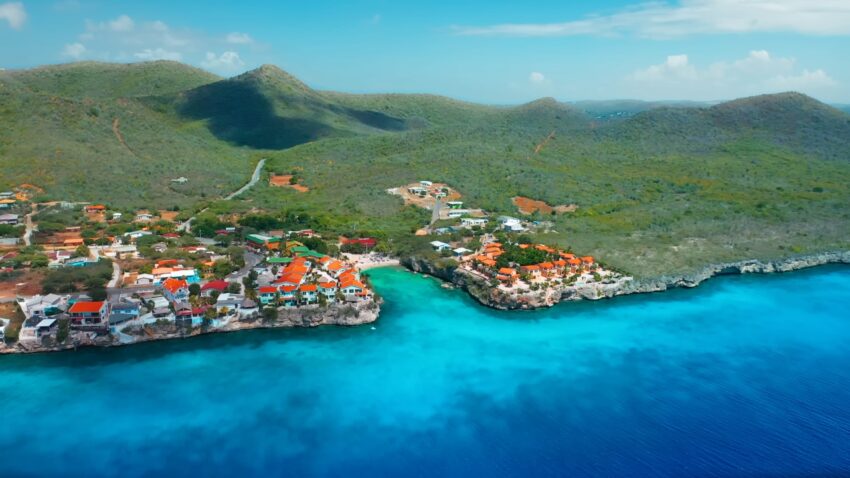
Everyone knows Jamaica, Aruba, the Bahamas, Punta Cana, Saint Lucia, and Turks and Caicos. For 2026, a smarter Caribbean trip may skip the airport-to-resort routine and aim at Caribbean islands that feel smaller, slower, and more personal.
“Under the radar” does not mean empty or undiscovered. It means fewer packages, fewer cruise-heavy, and fewer crowded by resort guests on the same schedule.
Winter brings peak tourism across much of the Caribbean because travelers in colder climates want warm, dry, sunny weather, so lesser-known islands can help visitors avoid the busiest seasonal rush.
Quiet beaches, local culture, nature, adventure, independent roaming, and strong island personality shape the choices below.
Ready to see which Caribbean islands still feel personal in 2026? Buckle up, and let’s go.
Traveler Type
Best Island
Hikers
Saba
Divers
Curaçao
Quiet luxury travelers
Anguilla
History lovers
Nevis
Culture-focused travelers
St. Martin/St. Maarten
Beach-hoppers
Antigua
Adventure travelers
Dominica
1. Saba
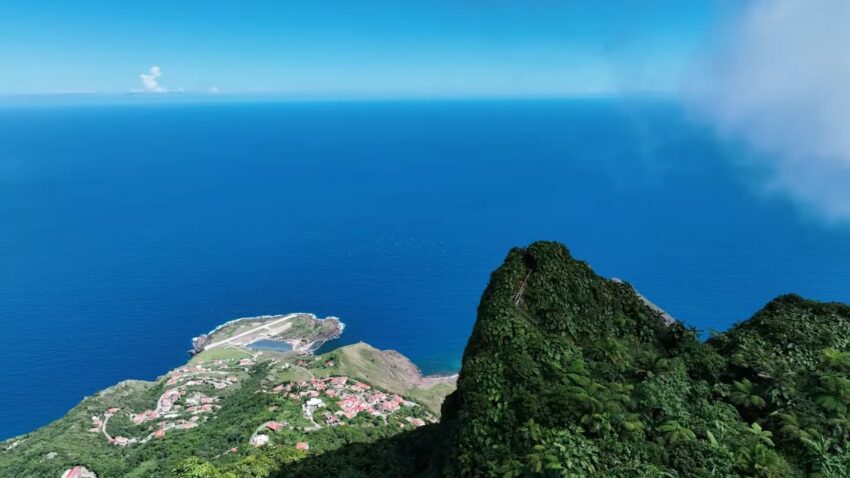
Only five square miles in size, Saba has four main villages and a scale that resists mass tourism. Classic beaches are limited, which helps protect it against standard beach-resort development.
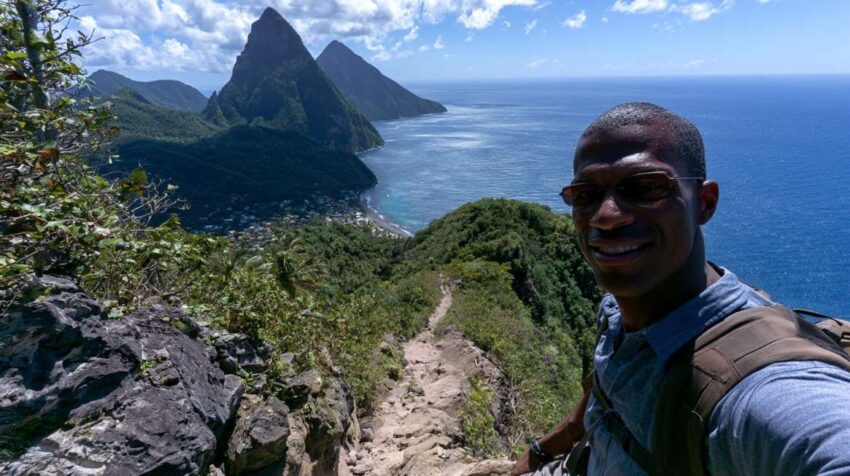
Known as the “unspoiled queen,” Saba has pristine nature, rainforests, coral reefs, and dormant Mount Scenery. Mount Scenery hikes lead through lush forest and misty elevation. Offshore, clear water and coral walls suit scuba trips and snorkeling.
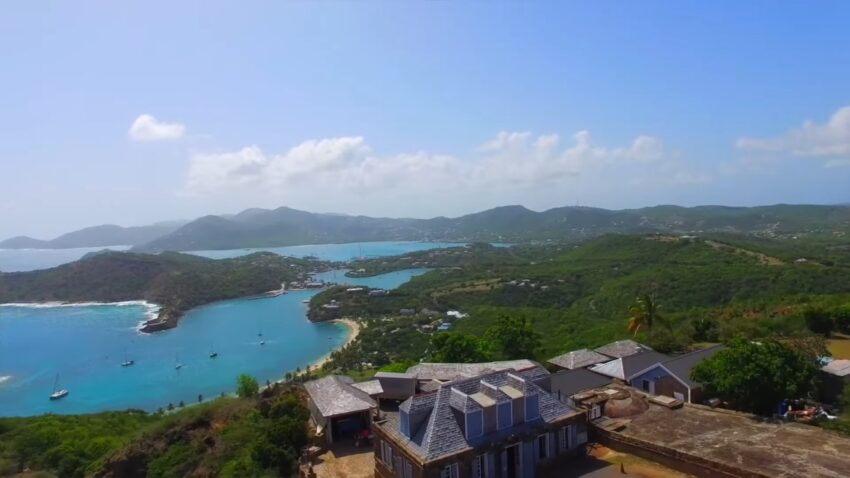
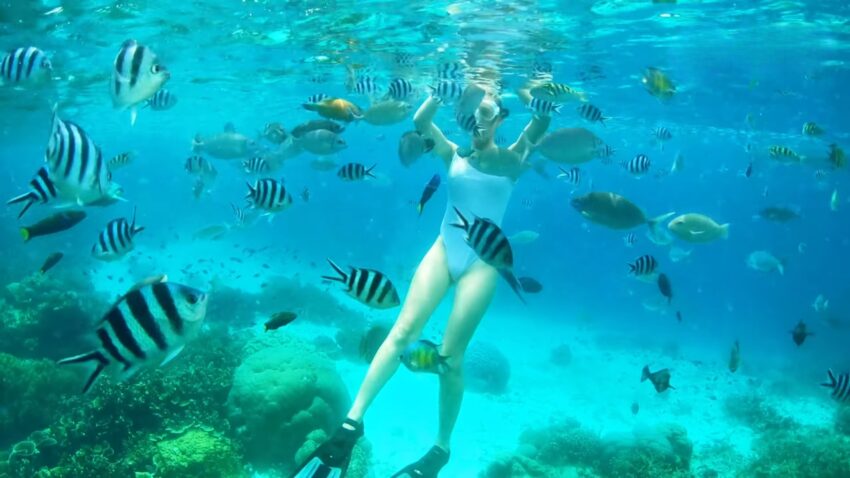
Small villages replace resort zones here. Saba works best for hikers, scuba travelers, introverts, and nature-first travelers who want Caribbean islands without beach-bar sameness. Nevis Peak anchors the island visually, while historic inns and quiet roads add depth to the trip. Small inns, relaxed hospitality, local food, and calm beaches set the pace. Limited development keeps the island quiet, and visitors can drive around it in less than two hours. Nevis suits tranquility, history, natural beauty, and slow days more than nightlife. Known as the “Island of Nature,” Dominica is not usually one of the first places travelers name when they picture Caribbean islands. Rainforests, waterfalls, hot springs, rugged trails, scuba, and eco-adventure define it. Waterfall hikes, hot springs, natural pools, and rainforest trails make Dominica one of the clearest alternatives to resort-only trips. Scuba and snorkeling add marine adventure, but land-based nature is the main draw. Dominica is not trying to match classic white-sand beach islands. Its strength is a wilder, greener, more active Caribbean experience. Quiet, quaint, and full of remote beaches, Anguilla does not cater to mass tourism like many nearby islands. Its entire coast is public land, and visitors can often find major beaches nearly empty, especially in summer. Shoal Bay East is the signature beach, with powder-soft sand, calm water, and an easy atmosphere. Beach-hopping, seafood, calm swimming, and long, lazy days matter more than nightlife. Anguilla suits couples, wellness travelers, and visitors who want peace without losing comfort. No rushing, no crowds, no pressure. Curaçao is not unknown, but many visitors miss its quieter western side. Willemstad gives the island its colorful cultural entry point, with Dutch colonial architecture, a UNESCO-listed waterfront, museums, markets, history, and food shaped by Caribbean, African, and European influences. Banda Abou, on the western side, feels more isolated. Beaches, churches, museums, historic architecture, snorkeling, and scuba make it a strong choice for travelers who want culture and coast in one trip. Playa Porto Mari is a useful snorkeling stop. Little Curaçao can also work for overnight camping plans, as long as visitors prepare for limited infrastructure. St. Martin and St. Maarten are well known, but the quieter version starts after visitors avoid cruise-heavy areas and obvious beaches. Northern Saint-Martin is French. Southern St. Maarten is Dutch. Crossing between them can feel like entering another country, with different food, language, atmosphere, and beach culture. Skip busier beaches such as Mullet Bay Beach and Orient Beach when crowds are a concern. Tintamarre Island sits about two miles off St. Martin and gives the trip a more remote feel without requiring a long transfer. Antigua’s beach count is famous, but its quieter coves are the better reason to go. Known for 365 beaches, one for every day of the year, Antigua rewards travelers who do not stop at the most promoted sand. Dickenson Bay has restaurants, water sports, and easy access, while hidden coves can feel empty for hours. Renting a car helps visitors compare shorelines, search for lesser-visited beaches, see pink sand tones, find dramatic rock formations, take short tropical-forest hikes, snorkel, and visit beaches with different underwater ecosystems. Antigua works best for travelers who want a choice instead of one resort beach. Do not chase one official best beach. Find the one that fits the day. Good visits should not turn quiet islands into overcrowded stops. The whole appeal of under-the-radar Caribbean destinations is that they still feel personal, local, and unhurried. That only lasts when travelers treat them as real communities and fragile environments, not just scenic backdrops for a vacation. A responsible trip starts with where the money goes. Staying in locally owned hotels, guesthouses, or small inns helps keep tourism income within the community. The same is true for eating at local restaurants, buying from small vendors, booking independent tours, and hiring local guides for hikes, scuba diving, snorkeling, and cultural outings. This matters especially on smaller islands, where tourism can easily become concentrated inside resorts. Spending beyond resort walls helps visitors experience the island more honestly while also supporting the people who live there year-round. Reef care is especially important in beach and marine destinations such as Anguilla and Antigua. Clear water and healthy coral are part of what make these islands special, but reefs are delicate and easily damaged by careless behavior. Visitors should avoid touching coral, standing on reefs, chasing marine life, feeding fish, or taking shells and other natural objects from the beach. Even small actions can create damage over time, especially in places that are becoming more popular. Trash should always leave with the visitor, not the tide. Off-season travel can reduce pressure on smaller islands while also making the trip feel calmer. Nevis is a good example: with fewer visitors and often lower accommodation rates outside peak periods, the island’s slow, quiet character becomes even easier to appreciate. Traveling outside the busiest winter months can also spread tourism income more evenly through the year. That can be better for local businesses and more rewarding for visitors who want a less crowded experience. Quiet Caribbean islands stay that way only when visitors move through them with respect. Beaches, reefs, trails, villages, and small businesses are not unlimited resources. They are what make these places worth visiting in the first place. This uncrowded Caribbean island is an under-the-radar destination for romance and adventure – here’s why you should book it for your next get-away ✈️ https://t.co/lk0jVHblh5 — HELLO! (@hellomag) February 18, 2026 Caribbean magic is not gone. Too many travelers simply book the same resort corridors, repeat the same beach days, and follow the same crowded seasonal patterns. A better 2026 trip may be smaller, slower, and less obvious. Choose places that reward curiosity, respect local life, and offer more than polished resort sameness. Islands still under the tourist radar are not asking travelers to do less. They are asking them to notice more.
2. Nevis
Often treated as the quieter sibling of St. Kitts, Nevis has overlooked beaches, volcanic shores, dozens of waterfalls, old sugar mills, and plantation-era history.
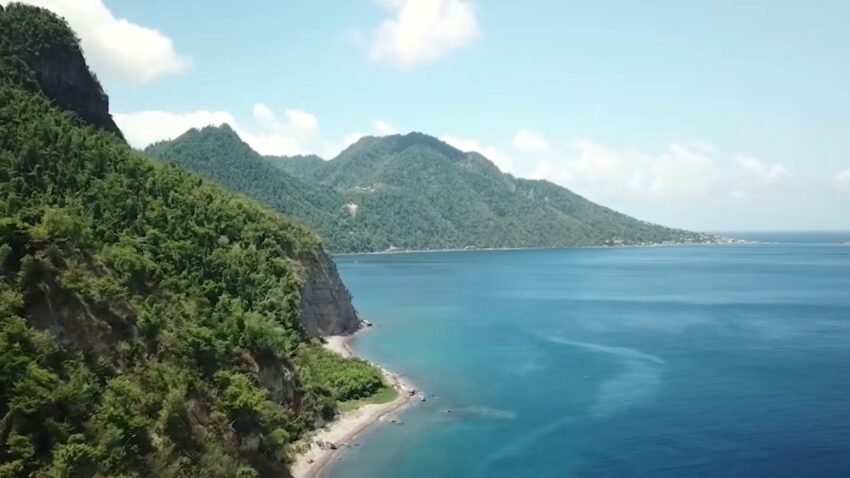
3. Dominica
4. Anguilla
5. Curaçao’s Banda Abou
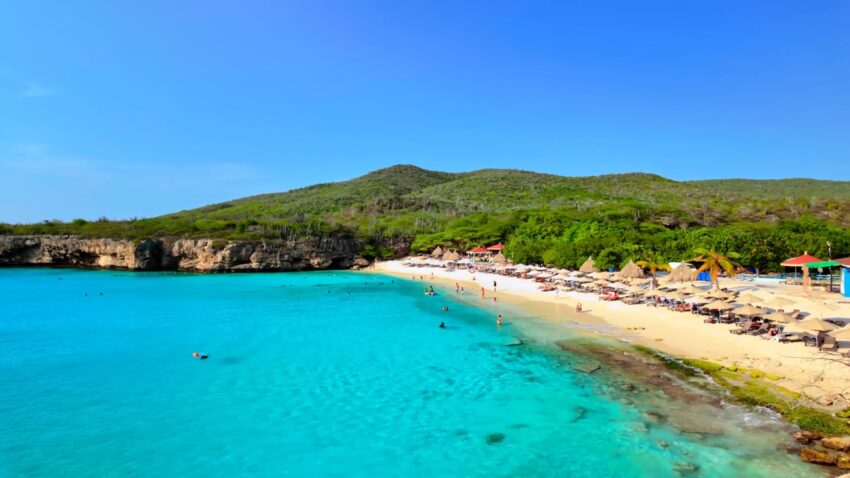
6. St. Martin and St. Maarten
7. Antigua
Responsible Travel on Quieter Caribbean Islands
Support Local Communities
Protect the Reefs and Beaches
Travel Outside the Busiest Season
Leave the Island as Quiet as You Found It
Closing Thoughts